


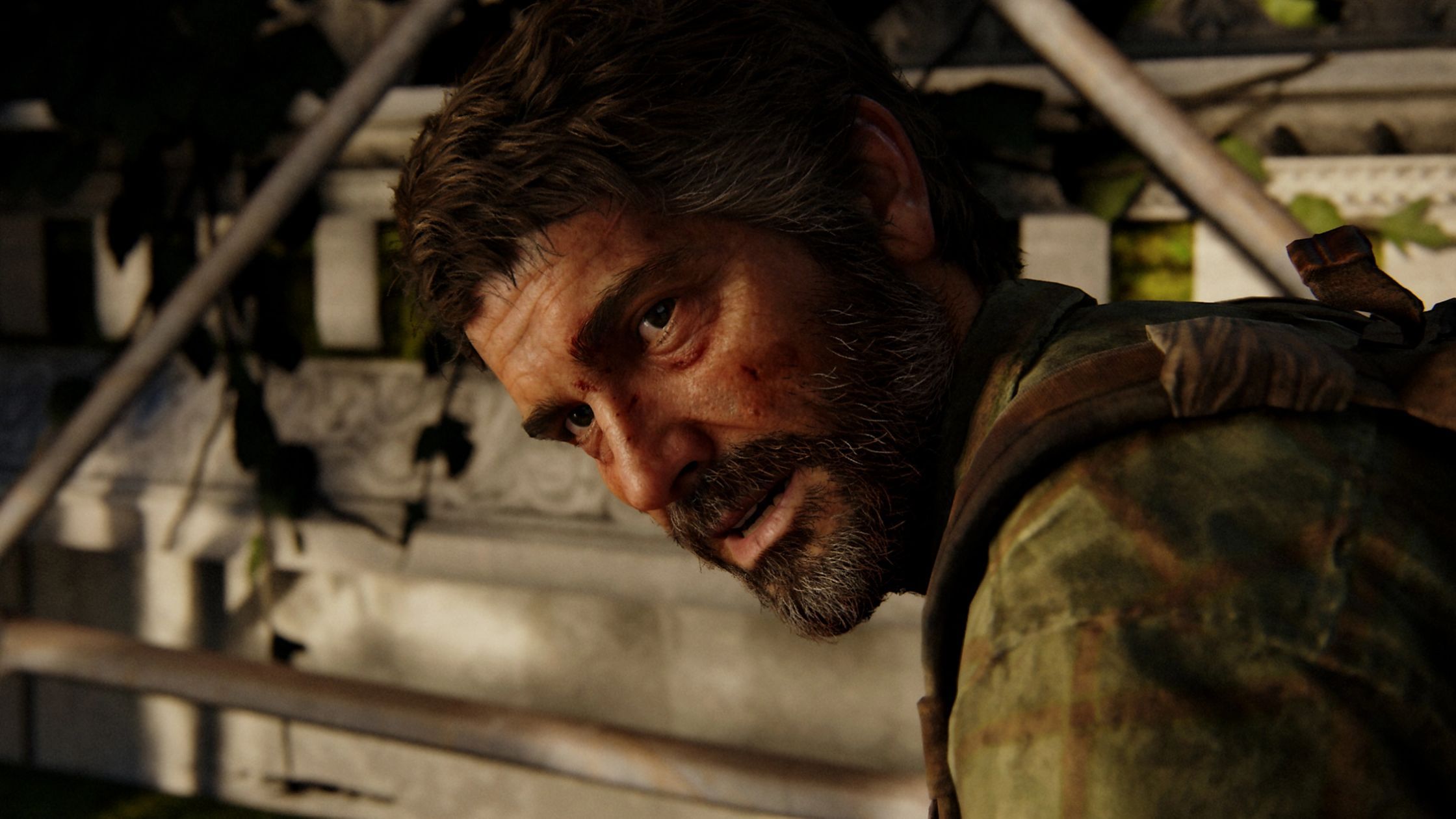
The gaming world is buzzing with excitement following recent hints from Naughty Dog’s creative director Neil Druckmann about the future of one of gaming’s most beloved franchises. While concrete details remain scarce about The Last of Us Part 3, Druckmann has strongly suggested that the final chapter in this emotional saga is very likely to materialize at some point in the coming years. The prospect of returning to the post-apocalyptic world that has captivated millions of players since 2013 has ignited passionate discussions across the gaming community, with a tentative 2027 window now being speculated for Joel Miller’s return in some capacity.
A Legacy of Storytelling Excellence
The Last of Us franchise has established itself as a landmark achievement in interactive storytelling since its original release on the PlayStation 3. The first game introduced players to Joel Miller and Ellie, two survivors navigating a United States devastated by a fungal pandemic that transforms humans into terrifying creatures. The relationship between the hardened smuggler and the young girl immune to the infection became one of gaming’s most compelling narratives, earning widespread critical acclaim and numerous Game of the Year awards. The sequel, released in 2020, pushed boundaries even further with its controversial narrative choices, exploring themes of revenge, trauma, and the cyclical nature of violence.
Naughty Dog has built its reputation on delivering cinematic experiences that rival Hollywood productions in emotional depth and visual fidelity. The studio’s meticulous attention to character development, environmental storytelling, and performance capture technology has set new standards for the industry. Both games combined have sold over 37 million copies worldwide, cementing the franchise’s position as one of Sony’s most valuable intellectual properties. The success has extended beyond gaming, with HBO’s television adaptation starring Pedro Pascal and Bella Ramsey becoming a cultural phenomenon and winning multiple Emmy Awards.
Fan Division Over Narrative Direction
Despite the franchise’s commercial and critical success, the gaming community remains deeply divided on what direction a potential third installment should take. The events of The Last of Us Part 2 left players with strong and often conflicting emotions about the fates of beloved characters. Some fans advocate for a continuation of Ellie’s story, exploring her journey toward healing and redemption after the traumatic events of the second game. Others hope to see new characters take center stage, potentially expanding the world beyond the familiar faces while maintaining the series’ signature emotional weight.
The question of Joel Miller’s involvement in any future installment is particularly sensitive given the controversial narrative decisions made in Part 2. While the specifics of his return remain unclear, flashback sequences, memory explorations, or prequel elements could provide opportunities to revisit the character without undermining the established storyline. Druckmann has previously stated that any continuation would need to feel essential to the story being told, suggesting that fan service alone would not drive creative decisions. This commitment to artistic integrity, while sometimes polarizing, has been fundamental to the franchise’s identity.
Looking Toward 2027 and Beyond
The tentative 2027 timeframe aligns with Naughty Dog’s historically lengthy development cycles, which prioritize quality over rapid release schedules. The studio typically spends five to seven years crafting each major release, allowing for the technological innovation and narrative refinement that defines their work. This extended development period also allows the team to fully leverage next-generation hardware capabilities, potentially delivering visual and gameplay experiences that push the PlayStation 5’s capabilities to their limits or even target future hardware.
Industry analysts suggest that The Last of Us Part 3 could represent a pivotal moment for single-player narrative gaming, demonstrating continued market viability for story-driven experiences in an era increasingly dominated by live-service games and multiplayer titles. The franchise’s proven track record of commercial success while maintaining artistic ambition provides a template that other studios closely observe. Whatever form the final chapter takes, expectations will be extraordinarily high for Naughty Dog to deliver another generation-defining experience that honors the emotional journey players have invested in since the beginning.
Expert Opinion: Given Naughty Dog’s track record and the franchise’s cultural significance, The Last of Us Part 3 will likely serve as a definitive conclusion that addresses the thematic threads left dangling after Part 2. The 2027 window suggests the studio is taking necessary time to craft a narrative that can satisfy divided fan expectations while maintaining artistic integrity—a challenging but achievable balance that could cement this trilogy as gaming’s most emotionally resonant story.