


In an era where video game prices continue to climb, Take-Two Interactive CEO Strauss Zelnick has stepped forward to defend the upcoming $80 price point for the highly anticipated Grand Theft Auto 6. During a recent investor call, Zelnick made a bold statement that has sparked considerable debate across the gaming community, arguing that despite the premium price tag, the game represents exceptional value for consumers. His comments come at a time when the gaming industry is grappling with rising development costs and shifting consumer expectations about what constitutes fair pricing in entertainment.
Zelnick’s defense centers on the sheer scope of content that Rockstar Games has historically delivered with its Grand Theft Auto titles. The CEO pointed to the hundreds of hours of gameplay, the expansive open worlds, and the ongoing free content updates that have characterized previous installments in the franchise. When broken down by hour of entertainment, Zelnick argued, the cost becomes negligible compared to other forms of entertainment such as movie tickets, concert admissions, or even streaming subscriptions over time. This cost-per-hour argument has become increasingly popular among publishers seeking to justify higher price points.
The Evolution of Video Game Pricing
The $80 price point for GTA 6 represents a significant shift from the $60 standard that dominated console gaming for nearly two decades. This pricing threshold held remarkably steady from the mid-2000s until the launch of the PlayStation 5 and Xbox Series X in 2020, when publishers began testing $70 as the new baseline for premium releases. Take-Two’s decision to push the envelope further to $80 reflects the economic realities facing modern game development. AAA titles now routinely cost hundreds of millions of dollars to produce, with development cycles stretching five to seven years and requiring teams of thousands of developers, artists, and engineers working across multiple continents.
Industry analysts have noted that when adjusted for inflation, the $60 price point that prevailed for so long actually represented decreasing real revenue for publishers over time. A $60 game purchased in 2005 would be equivalent to approximately $95 in today’s dollars, making the argument that games have historically been underpriced relative to their production costs. However, this economic reasoning often clashes with consumer sentiment, particularly among younger gamers who may have limited discretionary income. The debate highlights a fundamental tension in the industry between sustainable business models and accessibility.
GTA 6 Expectations and Development Investment
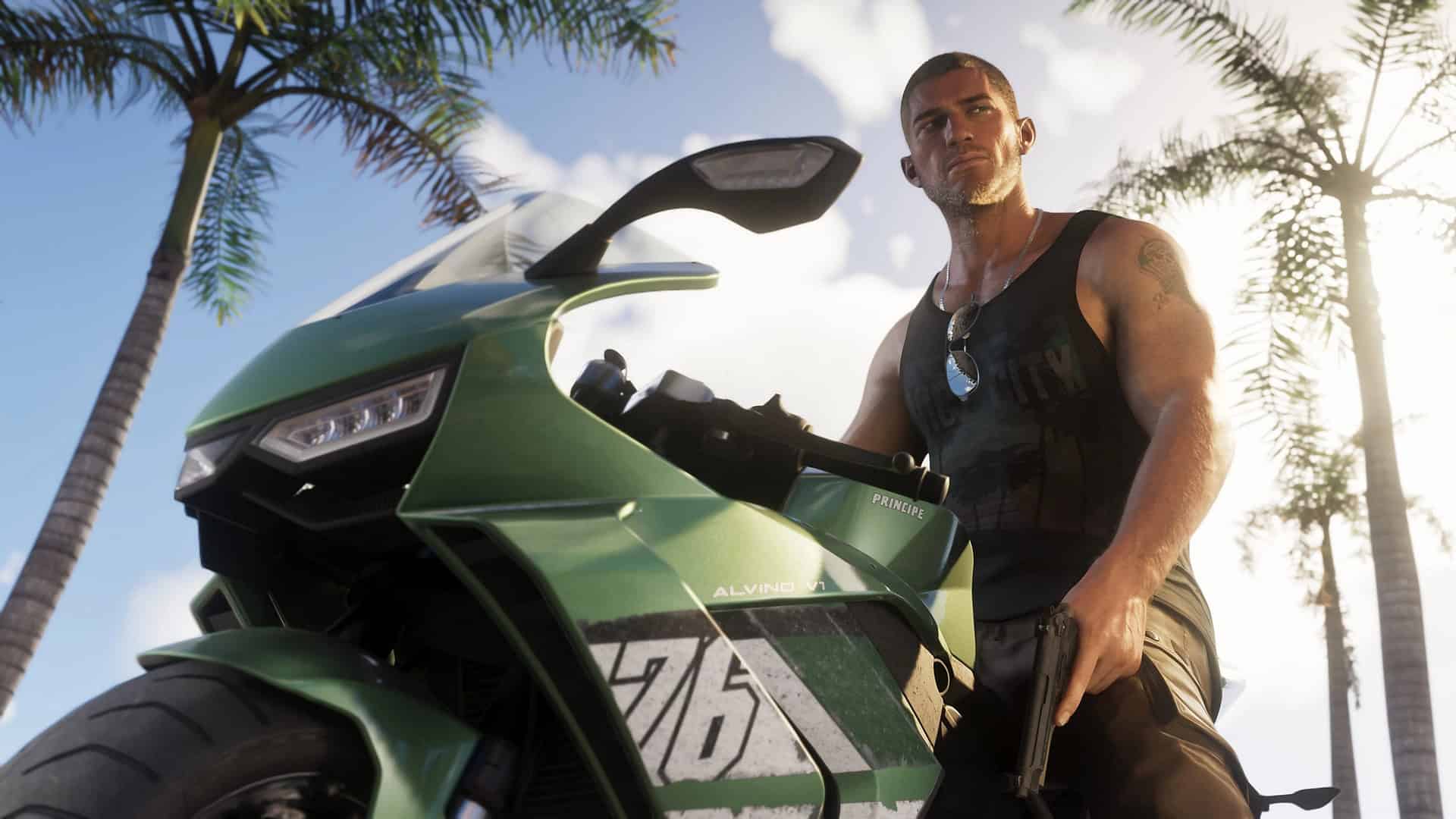
Grand Theft Auto 6 has been in development for nearly a decade, making it one of the most ambitious and expensive entertainment products ever created. Reports suggest that the game’s budget may exceed $2 billion when marketing costs are included, dwarfing the production budgets of even the most expensive Hollywood blockbusters. Rockstar Games has maintained its reputation for perfectionism, with the studio known for meticulous attention to detail in everything from vehicle physics to pedestrian behavior patterns. The game is set to feature a return to Vice City, the franchise’s fictional version of Miami, and will reportedly include the series’ first female protagonist as a playable character.
The financial success of Grand Theft Auto V, which has sold over 200 million copies since its 2013 release and continues to generate substantial revenue through its online component, has set unprecedented expectations for its successor. GTA Online alone has generated billions in revenue through microtransactions, demonstrating the lucrative potential of the live-service model. However, this success story also raises questions about whether the $80 upfront cost is truly necessary, or whether it represents an attempt to maximize revenue across multiple channels simultaneously.
Consumer Response and Industry Implications
The gaming community’s response to Zelnick’s comments has been decidedly mixed. Many players have expressed frustration at the continued escalation of prices, particularly when combined with additional monetization strategies such as season passes, cosmetic purchases, and premium currencies. Critics argue that the “bargain” framing feels tone-deaf to consumers already dealing with inflation across all aspects of their lives. Supporters of the price increase, however, point to the unparalleled production values and longevity of Rockstar titles, suggesting that serious fans will ultimately find the investment worthwhile.
The outcome of GTA 6’s pricing experiment could have far-reaching implications for the broader gaming industry. If the game achieves commercial success at the $80 price point, other major publishers may follow suit, potentially establishing a new standard for premium releases. Conversely, significant consumer pushback could force a recalibration of pricing strategies across the industry. As the gaming market matures and competition intensifies, finding the balance between sustainable business practices and consumer satisfaction remains one of the industry’s greatest challenges.
Expert Opinion: The $80 price point for GTA 6 likely represents a testing ground for the industry’s pricing future. Given Rockstar’s track record of delivering exceptional content and GTA V’s unprecedented longevity, most core fans will pay the premium without hesitation. However, the real question is whether this pricing strategy can scale across the industry or whether it remains viable only for truly exceptional, once-in-a-generation releases that have earned extraordinary consumer trust.