


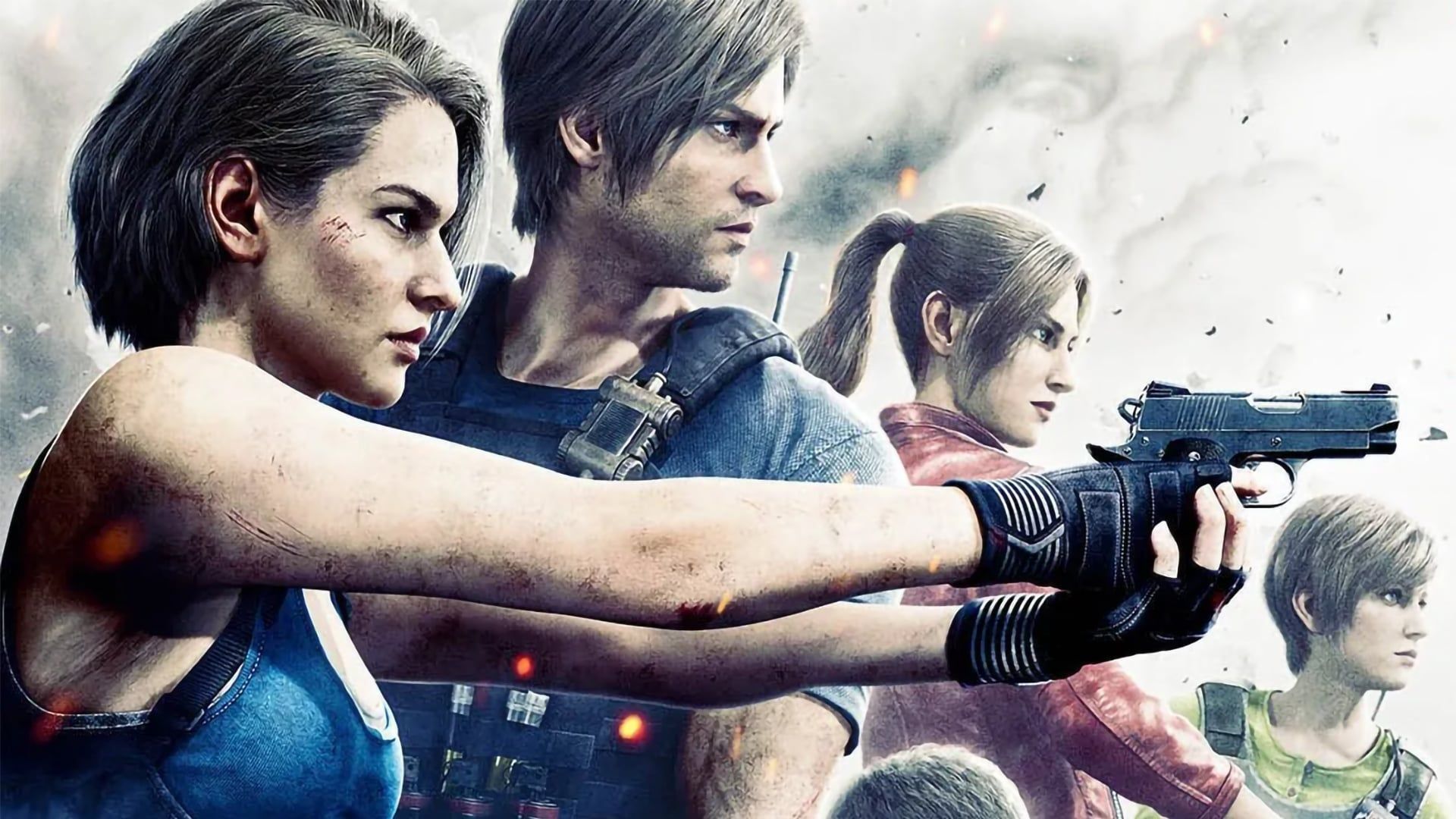
The Resident Evil franchise continues to expand its multimedia empire with the announcement that the 2023 computer-animated film Resident Evil: Death Island will be adapted into manga format. This latest addition to the sprawling horror series demonstrates Capcom’s ongoing commitment to exploring their beloved survival horror universe across multiple entertainment mediums. The announcement comes as welcome news to fans who have followed the franchise through its nearly three-decade journey from humble video game origins to global multimedia phenomenon.
Resident Evil has accumulated such an extensive catalog of official releases, remakes, and spin-off materials over the past 30 years that even the most dedicated enthusiasts struggle to keep track of every entry in the series. From the original 1996 PlayStation game that defined the survival horror genre to the most recent Resident Evil Village expansion, the franchise has consistently reinvented itself while maintaining its core identity of atmospheric horror and intense action sequences.
Death Island: Bringing Fan-Favorite Characters Together
Resident Evil: Death Island, released in 2023, represented a significant milestone for the animated film series by uniting several beloved characters from across the franchise’s history. The film featured an ensemble cast including Leon S. Kennedy, Chris Redfield, Jill Valentine, Claire Redfield, and Rebecca Chambers—characters whose individual storylines have captivated players across multiple game entries. This reunion approach proved popular with longtime fans who had followed these characters through various adventures since the late 1990s.
The computer-animated Resident Evil films have carved out their own niche within the franchise, offering canonical stories that complement the video game narratives. Unlike the live-action film series starring Milla Jovovich, which took significant liberties with the source material, the animated features have generally adhered more closely to established game lore. Previous entries in the animated film series include Resident Evil: Degeneration (2008), Resident Evil: Damnation (2012), and Resident Evil: Vendetta (2017), each receiving varying degrees of critical and fan reception.
The Growing Tradition of Video Game Manga Adaptations
The decision to adapt Death Island into manga format follows a well-established tradition of video game properties receiving comic and manga treatments in Japan. The manga medium offers unique storytelling possibilities, allowing artists to explore character emotions and action sequences in ways that differ from both film and interactive gaming experiences. Japanese publishers have long recognized the potential of adapting popular entertainment properties into manga, with successful adaptations spanning genres from action to romance.
For Resident Evil specifically, manga adaptations provide an opportunity to delve deeper into character motivations and backstory elements that may only receive brief treatment in games or films. The visual medium of manga also allows for creative reinterpretation of horror elements, with skilled artists able to build tension and deliver scares through careful panel composition and pacing. Previous Resident Evil manga have explored various corners of the franchise’s universe, sometimes offering alternative perspectives on familiar events or expanding on minor characters.
Resident Evil’s Enduring Cultural Impact
The franchise’s ability to sustain interest across nearly three decades speaks to the enduring appeal of its core concepts. Since Shinji Mikami’s original vision debuted on the PlayStation in 1996, Resident Evil has sold over 150 million copies worldwide, spawned multiple film adaptations, inspired countless imitators, and essentially created the survival horror genre as we know it today. The series has survived changing gaming trends, successfully transitioning from fixed-camera perspectives to over-the-shoulder action and first-person horror experiences.
While not every spinoff or adaptation achieves the same level of acclaim as mainline entries, the franchise’s willingness to experiment across different media has helped maintain its cultural relevance. Whether through video games, films, comics, or manga, Resident Evil continues to find new ways to terrify and entertain audiences worldwide. The Death Island manga adaptation represents yet another chapter in this ongoing legacy, offering fans another avenue to experience the horror and heroism that has defined the series for generations of players and viewers alike.
Expert Opinion: The manga adaptation of Death Island signals Capcom’s strategic approach to maintaining franchise momentum between major game releases. With Resident Evil 9 still in development, multimedia expansions like this manga serve to keep the fanbase engaged while potentially attracting new audiences from the manga reading demographic. This cross-media strategy has proven increasingly important for legacy gaming franchises seeking to remain relevant in an increasingly competitive entertainment landscape.