



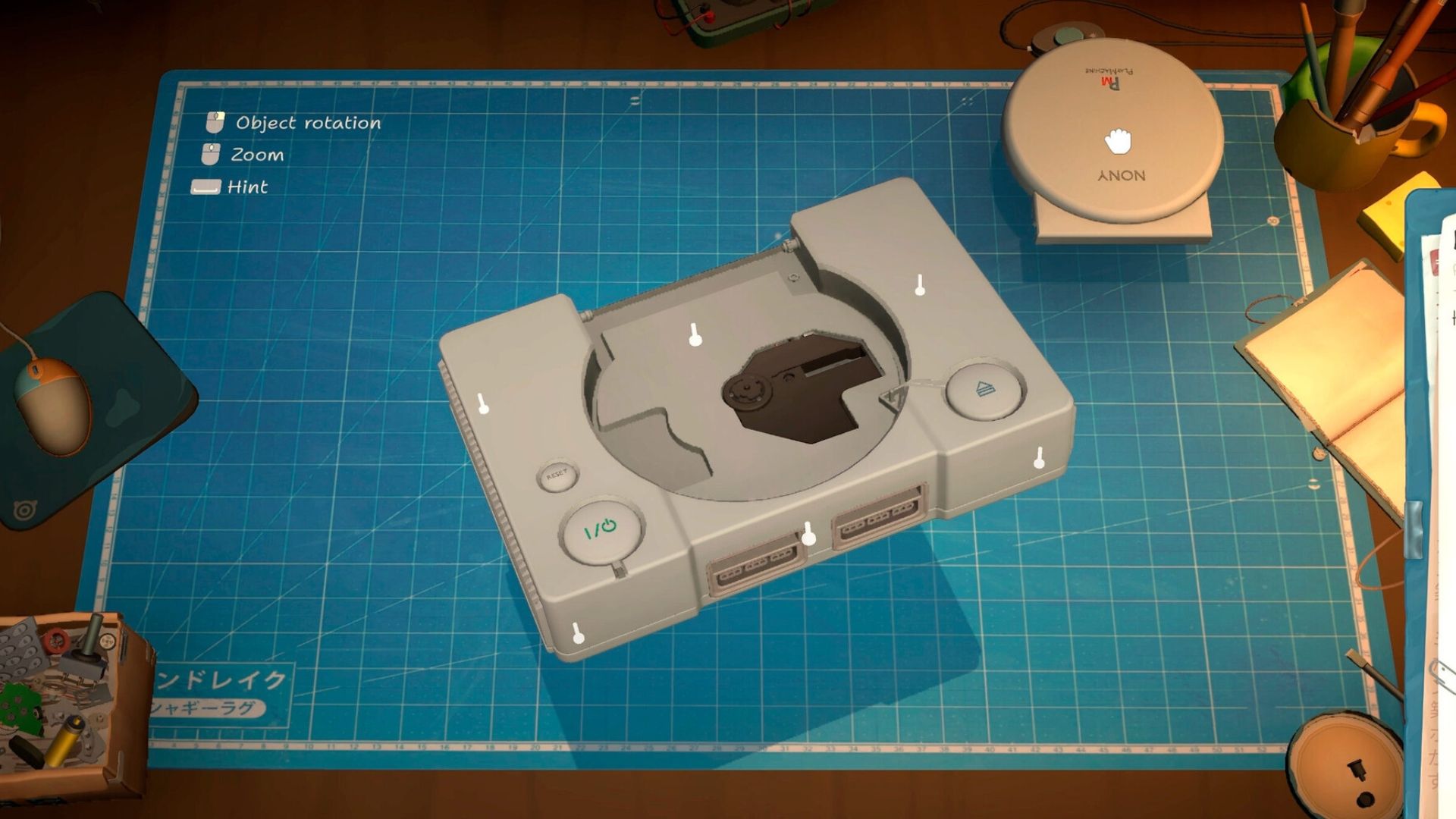
The gaming world has a new indie darling, and it has taken Steam by storm in record time. ReStory: Chill Electronics Repairs, a cozy simulation game that puts players in the shoes of a relaxed electronics repair technician, has sold over 100,000 copies within just 24 hours of its official release. With an impressive 96% positive review rating, the title has quickly become one of the most talked-about indie releases of the year, demonstrating once again that gamers have an insatiable appetite for calming, low-stakes gameplay experiences.
A Recipe for Success: Community-Driven Development
The remarkable success of ReStory can be attributed in large part to the development approach taken by Mandragora, the studio behind the game. Rather than developing in isolation and hoping for the best upon release, the team conducted multiple public playtests on Steam throughout the development cycle. This strategy allowed them to gather valuable player feedback and implement meaningful changes before the official launch. The result is a polished product that feels like it was made specifically for its target audience—because in many ways, it was. This community-first approach to game development has become increasingly popular among indie studios, as it helps minimize the risk of launching a product that misses the mark with players.
The playtest model has proven particularly effective for smaller development teams that lack the massive marketing budgets of AAA publishers. By building a community of invested players before launch, developers create a built-in customer base eager to purchase and promote the final product. ReStory’s explosive first-day sales figures serve as a case study in how this strategy can pay dividends, especially in the crowded indie game marketplace where visibility remains one of the biggest challenges for new releases.
The Rise of Cozy Gaming: A Cultural Phenomenon
ReStory’s success arrives amid a broader cultural shift in gaming preferences. The cozy game genre, characterized by relaxing gameplay, minimal stress, and comforting aesthetics, has experienced explosive growth over the past several years. Titles like Stardew Valley, Animal Crossing: New Horizons, and PowerWash Simulator have demonstrated that millions of players are seeking gaming experiences that help them unwind rather than pump adrenaline. The electronics repair premise of ReStory taps into this trend while also appealing to the satisfying niche of fixing and restoring objects—a gameplay loop that has proven addictive in titles like House Flipper and PC Building Simulator.
Industry analysts have noted that the cozy gaming boom accelerated significantly during the global pandemic, when players sought digital escapes from real-world anxieties. This trend has shown remarkable staying power, with cozy titles consistently outperforming sales expectations. The genre particularly resonates with demographics that traditional gaming has often overlooked, including older players and those new to video games who find competitive or action-heavy titles intimidating or exhausting.
What Makes ReStory Special
In ReStory: Chill Electronics Repairs, players take on the role of a technician who repairs vintage and modern electronic devices in a tranquil workshop setting. The game features detailed repair mechanics that strike a balance between authenticity and accessibility, allowing players to diagnose problems, source replacement parts, and restore items to working condition. The calming atmosphere is enhanced by a carefully crafted soundtrack and visual design that emphasizes warmth and comfort. Players have praised the game’s attention to detail, noting that even those without technical knowledge can enjoy the satisfaction of bringing broken electronics back to life.
The timing of ReStory’s release also appears strategic, coming during a period when Steam’s indie game sales have been particularly strong. The platform continues to be the dominant marketplace for PC gaming, and its algorithm tends to favor titles with strong early review scores, creating a positive feedback loop that can propel successful launches into the spotlight. With its overwhelmingly positive reception, ReStory is well-positioned to benefit from increased visibility in Steam’s recommendation systems for weeks to come.
Expert Opinion: ReStory’s rapid success underscores a significant shift in the gaming industry where community engagement during development has become as important as the final product itself. We can expect more indie studios to adopt the extensive playtest model as a standard practice, particularly for niche genres where understanding player expectations is crucial. The cozy gaming segment shows no signs of slowing down, and titles that combine relaxation with satisfying mechanical depth will likely continue to outperform market expectations throughout 2025 and beyond.