


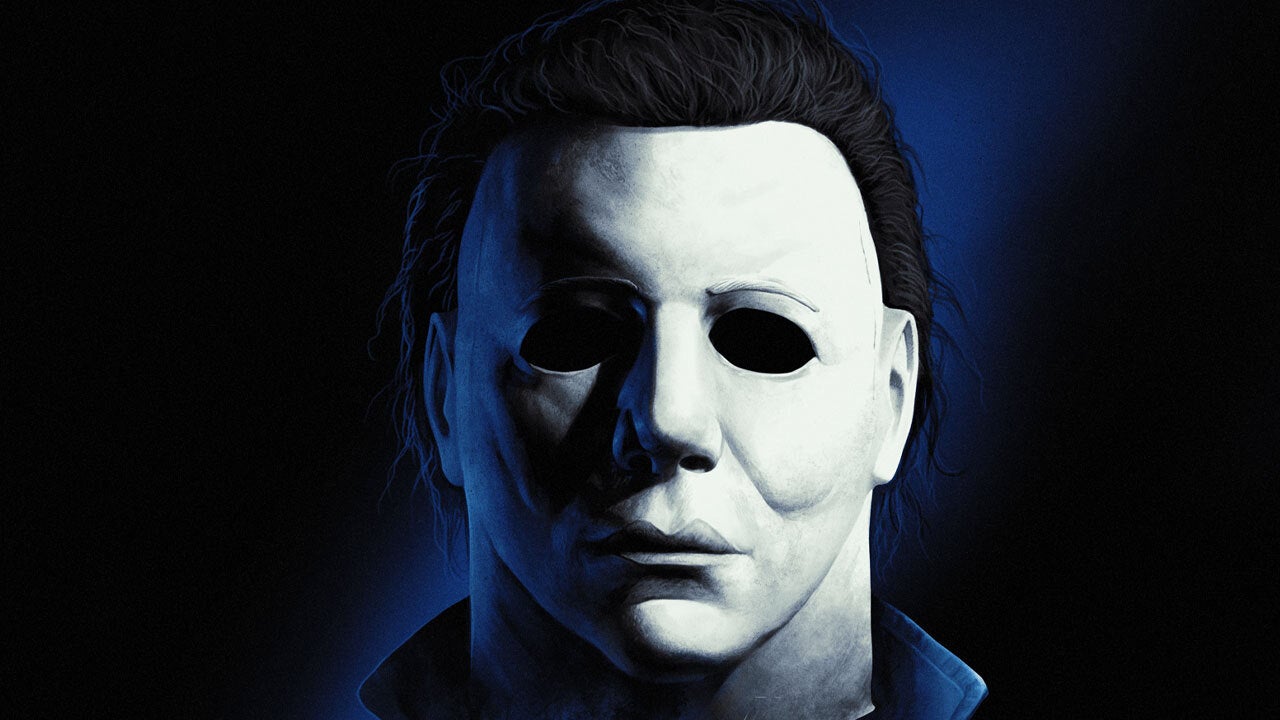
In a welcome reversal for horror gaming enthusiasts in the Pacific region, developer IllFonic has announced that Halloween: The Game will indeed be available for purchase in New Zealand, despite the title being refused classification in neighboring Australia. The announcement comes after initial confusion suggested that both countries would be affected by the Australian Classification Board’s decision to ban the game. The clarification highlights the complex and often misunderstood differences between classification systems across different territories, particularly when it comes to digital versus physical distribution channels.
The saga began last week when Australia’s Classification Board refused to grant Halloween: The Game a rating, effectively banning it from sale in the country. Initial reports indicated that New Zealand would also miss out on the title, prompting questions from gaming publications and fans alike. After all, precedent suggested this shouldn’t necessarily be the case – notably, Hotline Miami 2, which was similarly refused classification in Australia back in 2015, remains readily available for digital purchase in New Zealand to this day.
IllFonic Receives Guidance From New Zealand Classification Office
Following inquiries from media outlets seeking clarification on the New Zealand situation, IllFonic issued a statement via social media explaining the resolution. “We are extremely thrilled to announce that after receiving additional guidance from the OFLC, Office of Film and Literature Classification in New Zealand, Halloween: The Game will be available for sale digitally in the territory,” the studio declared. The developer went on to explain the initial confusion stemmed from their partnership with physical distributors, as IllFonic does not handle physical distribution internally. When the Australian Classification Board refused to rate the game, it impacted both physical and digital versions in territories where the ACB rating takes precedence over the International Age Rating Coalition’s automated system.
The International Age Rating Coalition, or IARC, provides a streamlined global rating tool that generates equivalent ratings across multiple classification systems including PEGI, ESRB, and ACB through a single online questionnaire. However, when a national classification board makes a specific determination – particularly a refusal to classify – this official decision supersedes any automated IARC rating. The key distinction that initially caused confusion is that Australian refused classification decisions are not automatically mirrored in New Zealand’s separate classification system.
Understanding New Zealand’s Unique Classification System
New Zealand operates under a somewhat idiosyncratic classification framework when it comes to video games. While the country does utilize some Australian and United Kingdom classification decisions as shortcuts for its own determinations, this practice applies primarily to unrestricted content. When content has been specifically age-restricted in Australia or the UK, refused classification in Australia, or outright banned in the UK, it must be formally submitted to New Zealand’s Office of Film and Literature Classification for independent assessment. Importantly, video games in New Zealand are expressly exempt from labeling requirements and are not required to be submitted for local classification unless they are likely to receive an age-restricted rating or have already been restricted elsewhere.
For physical formats, Halloween: The Game would still require submission to the New Zealand OFLC because games with restricted content must carry a New Zealand label to be sold in stores. Currently, no rating for the game appears in New Zealand’s Register of Classification Decisions, meaning a physical release remains impossible regardless of the digital availability. However, New Zealand’s Films, Videos, and Publications Classification Act 1993 primarily covers physical formats, creating a loophole where digitally distributed games don’t necessarily require New Zealand classifications to be displayed or obtained.
Australia’s Drug Use Guidelines Remain The Core Issue
The fundamental reason for Halloween: The Game’s Australian ban relates to the country’s strict guidelines regarding the depiction of drug use in video games. According to the Australian Classification Board’s explanation, the game “contains illicit drug use that is linked to an incentive or reward, in that use of the drug provides a gameplay advantage to the player.” While Australian classification guidelines permit the depiction of drug use in games rated for mature audiences, they explicitly prohibit any connection between drug use and in-game rewards or advantages. When such a connection exists, the Classification Board is obligated to refuse classification entirely.
This particular guideline has been a recurring point of contention for game developers seeking to release their products in Australia. Historically, developers have found creative workarounds to satisfy the requirements without significantly altering their games. Perhaps the most notable example occurred in 2013 when State of Decay developer Undead Labs simply renamed the drugs in their game to “vitamins” for the Australian release, effectively hurdling the classification obstacle with a simple semantic change. Reports suggest that Halloween: The Game’s problematic content involves smoking marijuana as a perk that highlights the location of horror icon Michael Myers on the game’s map – a mechanic that could potentially be reframed as tobacco use to satisfy Australian regulators.
IllFonic has stated it made “every effort” to work past the refused classification status, though the studio has not yet clarified whether simple nomenclature changes have been considered. Gaming publications have specifically asked whether referring to the substance as tobacco in the Australian version might resolve the issue, but no response has been received as of this writing. The situation serves as another reminder of how regional classification differences can create unexpected complications for global game releases, while also highlighting the importance of understanding the nuances between neighboring countries’ regulatory frameworks.
Expert Opinion: This case underscores an ongoing tension between Australia’s restrictive classification guidelines and the global nature of digital game distribution. While IllFonic’s New Zealand resolution demonstrates that developers can navigate regional differences with proper guidance, the continued Australian ban suggests the studio may be reluctant to make even minor content changes that could satisfy regulators. Moving forward, we may see increased pressure on Australian lawmakers to modernize guidelines that were established before digital distribution became dominant, particularly as the country repeatedly finds itself isolated from releases that are readily available in comparable markets like New Zealand.