


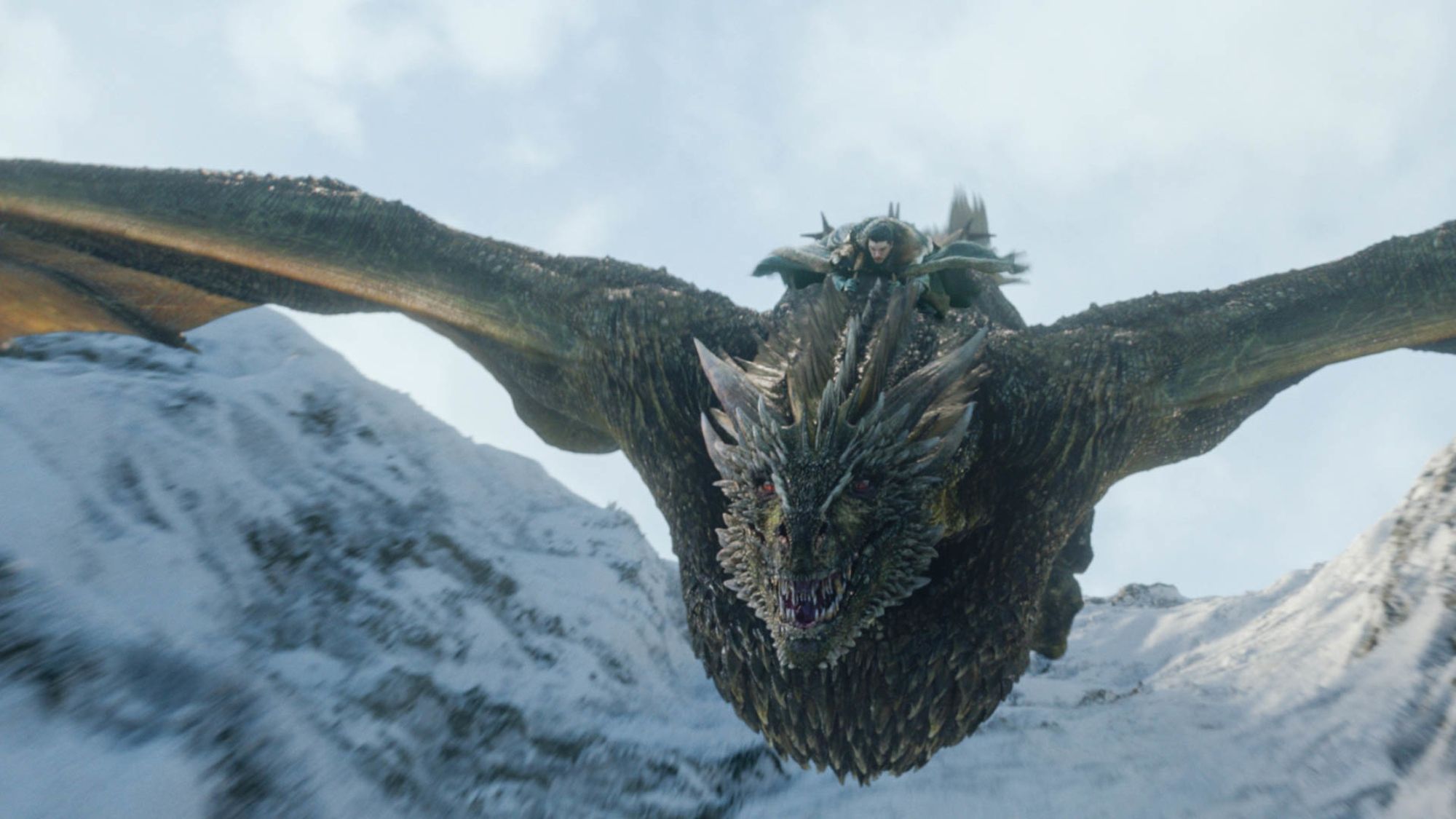
The world of Westeros continues to captivate audiences years after the controversial conclusion of HBO’s groundbreaking fantasy series Game of Thrones. Among the most passionately debated moments from the show’s final seasons was the sudden and shocking death of Rhaegal, one of Daenerys Targaryen’s beloved dragons. The green-scaled beast, named after Daenerys’s brother Rhaegar Targaryen, met his end at the hands of Euron Greyjoy’s Iron Fleet in what many fans considered one of the most frustrating deaths in television history. Now, in a development that has sent ripples of excitement through the fandom, Rhaegal is officially making a comeback, offering a measure of redemption for one of the show’s most controversial creative decisions.
The Controversial Death That Divided the Fandom
Rhaegal’s demise in the penultimate season of Game of Thrones remains a sore point for many devoted fans of the series. The dragon was struck down by massive scorpion bolts fired from Euron Greyjoy’s ships, catching both Daenerys and viewers completely off guard. The scene drew immediate criticism for what many perceived as poor tactical logic and rushed storytelling. Critics argued that the ambush was implausible given the aerial advantage dragons typically possessed, and that such a significant death deserved more narrative weight and buildup. This tragedy came on the heels of another devastating dragon loss when the Night King killed Viserion during the mission beyond the Wall, later resurrecting him as a terrifying undead wight dragon that would breach the Wall itself.
The death of Rhaegal represented more than just the loss of a CGI creature to fans who had followed the series for nearly a decade. Dragons in Game of Thrones symbolized power, magic, and the restoration of House Targaryen. Each of Daenerys’s three dragons carried deep personal significance, named after the important men in her life who had died. Rhaegal honored her eldest brother Rhaegar, whose secret marriage to Lyanna Stark would eventually be revealed as the union that produced Jon Snow, the true heir to the Iron Throne. The dragon’s connection to Jon was further emphasized when Jon successfully rode Rhaegal, marking only the second time in the show’s history that anyone other than Daenerys had mounted one of her dragons.
Dragons in Westeros: A Rich Historical Legacy
The significance of dragons in the Game of Thrones universe extends far beyond their role as weapons of war. In the lore established by author George R.R. Martin, dragons were instrumental in the Targaryen conquest of Westeros nearly three centuries before the events of the main series. Aegon the Conqueror and his sister-wives Visenya and Rhaenys rode three massive dragons named Balerion, Vhagar, and Meraxes, using their fearsome power to unite the Seven Kingdoms under a single crown. The Targaryen dynasty’s power was intrinsically linked to their dragons, and when the last of these creatures died out approximately 150 years before the show’s timeline, the family’s grip on the Iron Throne began its slow decline.
Daenerys’s hatching of three dragon eggs in the funeral pyre of Khal Drogo marked the return of magic to the world in a very literal sense. The birth of Drogon, Rhaegal, and Viserion represented hope for House Targaryen’s restoration and became central to Daenerys’s identity as the Mother of Dragons. Throughout the series, the dragons grew from small creatures that could perch on her shoulder to massive beasts capable of destroying entire armies. Their deaths, therefore, carried enormous emotional and symbolic weight, making the manner of Rhaegal’s end all the more frustrating for viewers who felt the moment was handled carelessly.
The Expanding World of Westeros Entertainment
Rhaegal’s return comes at a time when the Game of Thrones franchise is experiencing a significant renaissance. HBO’s prequel series House of the Dragon has proven enormously successful, exploring the Targaryen civil war known as the Dance of the Dragons that occurred roughly 200 years before Daenerys’s birth. The series features numerous dragons and has given audiences a deeper appreciation for these magnificent creatures and their complex relationships with their riders. Additionally, various gaming adaptations, merchandise lines, and potential spin-off projects continue to expand the world that George R.R. Martin created, keeping fan engagement at remarkably high levels despite the main series concluding in 2019.
The enduring popularity of Game of Thrones, even amid ongoing debates about its final season, speaks to the profound impact the series had on popular culture. It redefined what was possible in television production, with its massive budgets, complex narratives, and willingness to kill major characters. The dragons, brought to life through groundbreaking visual effects, became iconic symbols of the show’s ambition and spectacle. Rhaegal’s return, whatever form it may take, represents an opportunity to revisit and perhaps reimagine moments that left fans feeling unsatisfied, demonstrating that the story of Westeros is far from finished in the hearts and minds of its devoted audience.
Expert Opinion: The resurrection of fan-favorite characters and creatures through expanded media represents a growing trend in franchise management, allowing studios to address controversial creative decisions while maintaining audience engagement. Rhaegal’s return signals HBO’s awareness of specific fan grievances and their willingness to offer narrative redemption. This approach could serve as a template for other franchises seeking to repair relationships with disappointed fanbases while generating renewed interest in established properties.