

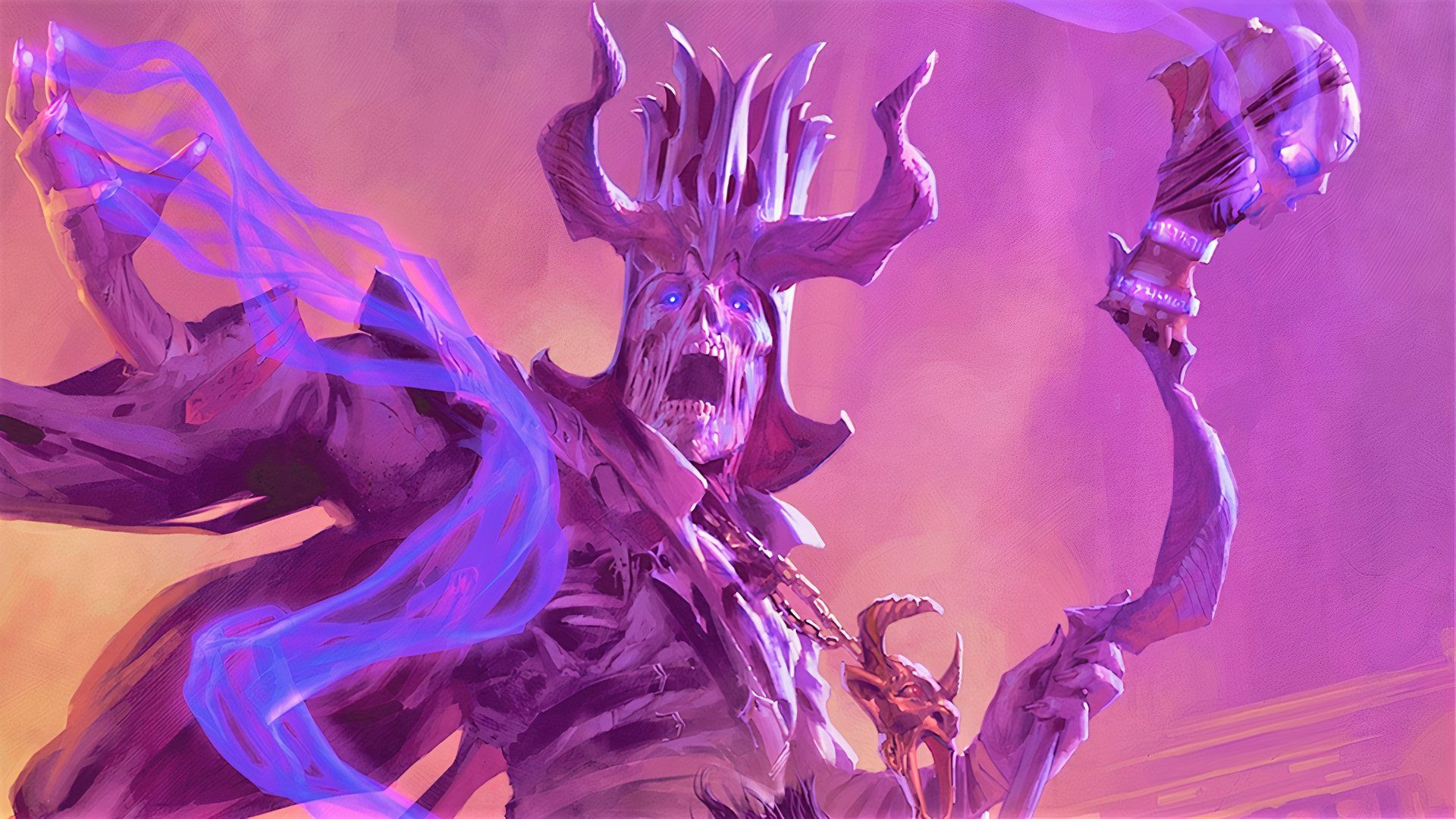
Dungeons & Dragons, the legendary tabletop role-playing game that has captivated millions of players worldwide for five decades, is preparing to unveil what many are calling its most ambitious crossover collaboration to date. Wizards of the Coast, the publisher behind the iconic game, has built an impressive track record of partnering with other beloved franchises to create unique gaming experiences that blend the classic D&D ruleset with imaginative new worlds. This latest announcement signals a major milestone in the game’s ongoing evolution and its continued dominance in the tabletop gaming industry.
The concept of crossover content is nothing new for Dungeons & Dragons enthusiasts. Over the years, Wizards of the Coast has demonstrated remarkable flexibility in adapting the game’s comprehensive ruleset to accommodate various intellectual properties and fictional universes. From Magic: The Gathering’s Ravnica and Theros settings to collaborations with Critical Role’s Exandria, the company has proven that D&D’s fundamental mechanics can translate seamlessly to diverse fantasy and science fiction environments. This adaptability has become one of the game’s greatest strengths, allowing it to reach audiences who might not have otherwise discovered the joy of tabletop role-playing.
The Evolution of D&D Crossovers
The history of Dungeons & Dragons crossovers reflects the game’s remarkable journey from niche hobby to mainstream cultural phenomenon. When Gary Gygax and Dave Arneson first created D&D in 1974, few could have predicted that the game would eventually collaborate with some of the biggest entertainment franchises in the world. The turning point came in recent years as D&D experienced an unprecedented renaissance, driven largely by the popularity of actual-play podcasts and streaming shows that introduced the game to entirely new generations of players. This surge in popularity made the franchise an attractive partner for other major intellectual properties seeking to engage with the passionate tabletop gaming community.
Previous crossover attempts have yielded varying degrees of success, but each has contributed to expanding the D&D universe in meaningful ways. The Stranger Things Starter Set introduced younger audiences to the game through the lens of the popular Netflix series, while the Rick and Morty collaboration brought the franchise’s irreverent humor to the gaming table. More substantial expansions, such as the Acquisitions Incorporated sourcebook and the Mythic Odysseys of Theros setting, demonstrated that crossover content could offer genuine depth and replayability rather than serving merely as novelty items.
Why Crossovers Matter for the Future of Tabletop Gaming
Industry analysts suggest that strategic crossovers have become essential for maintaining D&D’s momentum in an increasingly competitive entertainment landscape. The tabletop gaming market has experienced explosive growth, with global revenues exceeding billions of dollars annually. For Wizards of the Coast, crossover events serve multiple purposes: they attract fans of partner franchises who may become long-term D&D players, they generate significant media coverage and social media engagement, and they provide existing players with fresh content that reinvigorates their gaming experiences. This symbiotic relationship benefits all parties involved while expanding the overall reach of tabletop gaming as a hobby.
The robust nature of the D&D ruleset makes it particularly well-suited for adaptation across different genres and settings. The fifth edition rules, released in 2014, struck an elegant balance between accessibility and depth that has made the game more approachable than ever before. This flexibility means that whether players are exploring gothic horror settings, space opera adventures, or steampunk cityscapes, the core D&D experience remains intact while accommodating the unique flavor of each crossover world. As fans eagerly await details about this upcoming major collaboration, speculation continues to swirl about which beloved franchise will next enter the D&D multiverse.
Expert Opinion: This announcement reflects Wizards of the Coast’s strategic positioning of D&D as the premier platform for collaborative storytelling experiences. Given the current trajectory, we can expect increasingly ambitious partnerships with major entertainment properties, potentially including video game franchises and cinematic universes, as the company leverages D&D’s cultural relevance to cement its dominance in the tabletop industry for the next decade.