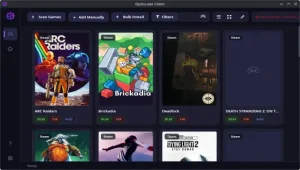



Linux gaming enthusiasts have long awaited a solution to one of the platform’s most significant gaps: official support for Xbox PC gaming services and Microsoft’s popular Game Pass subscription. That wait may finally be coming to an end thanks to an ambitious community-driven initiative called ‘Xodus,’ which aims to bring the full Xbox PC and Game Pass experience to Linux users. This development represents a potentially transformative moment for Linux gaming, which has seen remarkable growth in recent years but has struggled to access Microsoft’s extensive gaming ecosystem.
The Xodus project emerges at a critical juncture in the Linux gaming landscape. Over the past several years, tools like Valve’s Proton compatibility layer have revolutionized gaming on Linux, allowing thousands of Windows games to run seamlessly on the open-source operating system. The Steam Deck’s success has further accelerated Linux adoption among gamers, demonstrating that the platform can deliver a premium gaming experience. However, Microsoft’s gaming services have remained stubbornly out of reach, leaving Linux users unable to access Game Pass’s library of hundreds of titles despite paying for subscriptions that work on other platforms.
The Technical Challenge Behind Xbox Services on Linux
Bringing Xbox PC and Game Pass to Linux is no simple undertaking. Microsoft’s gaming infrastructure relies heavily on proprietary technologies, including the Xbox app, Windows-specific DRM systems, and backend services designed exclusively for the Windows ecosystem. The Xodus project must navigate these complex technical barriers while ensuring compatibility with a wide range of Linux distributions and hardware configurations. Previous attempts to run Xbox services on Linux through various workarounds have met with limited success, often breaking with updates or failing to provide a stable user experience.
The project’s developers are reportedly working on creating a compatibility layer that can interface with Microsoft’s services while running natively on Linux. This approach is similar to how Wine and Proton handle Windows applications, but requires additional work to handle the real-time authentication and content delivery systems that Game Pass relies upon. Security considerations also play a crucial role, as the solution must satisfy Microsoft’s anti-piracy requirements while respecting the open-source principles that define the Linux community.
Why This Matters for the Future of Linux Gaming
The potential arrival of Game Pass on Linux could significantly shift the gaming landscape. Microsoft’s subscription service offers access to hundreds of games, including day-one releases of major titles from Xbox Game Studios. For Linux users, this would eliminate one of the last major reasons to maintain a Windows partition or separate gaming machine. Industry analysts suggest that Game Pass compatibility could accelerate Linux adoption among mainstream gamers who have been hesitant to switch due to software limitations.
The timing of the Xodus project aligns with broader industry trends toward platform-agnostic gaming. Microsoft itself has shown increasing openness to bringing its games to competing platforms, releasing titles on Nintendo Switch and PlayStation. While the company hasn’t officially announced Linux support, the existence of projects like Xodus demonstrates strong community demand. The success of the Steam Deck, which runs a Linux-based operating system and has sold millions of units, provides compelling evidence that there’s a substantial market for Linux gaming solutions.
Community Response and Future Prospects
The Linux gaming community has responded enthusiastically to news of the Xodus project, with developers and users alike expressing optimism about its potential. Forums and social media platforms have seen extensive discussion about the technical approaches being considered and the implications for Linux gaming’s future. Some community members are contributing to the project’s development, reflecting the collaborative spirit that has driven many successful open-source gaming initiatives.
However, challenges remain on the horizon. Microsoft’s response to the project will be crucial, as the company could potentially take legal action or implement technical measures to block unofficial access to its services. The relationship between large technology companies and open-source projects has historically been complicated, though Microsoft has shown increased support for Linux in recent years through initiatives like Windows Subsystem for Linux. Whether this goodwill extends to gaming services remains to be seen, but the Xodus project represents a significant step toward making Linux a truly complete gaming platform.
Expert Opinion: The Xodus project represents more than just a technical achievement—it signals a potential paradigm shift in how gaming ecosystems interact with open-source platforms. If successful, this initiative could pressure Microsoft to officially support Linux, particularly as Steam Deck adoption continues to grow. We anticipate that within the next two years, either community-driven solutions like Xodus will mature into reliable alternatives, or Microsoft will recognize the strategic value of native Linux support for Game Pass.