


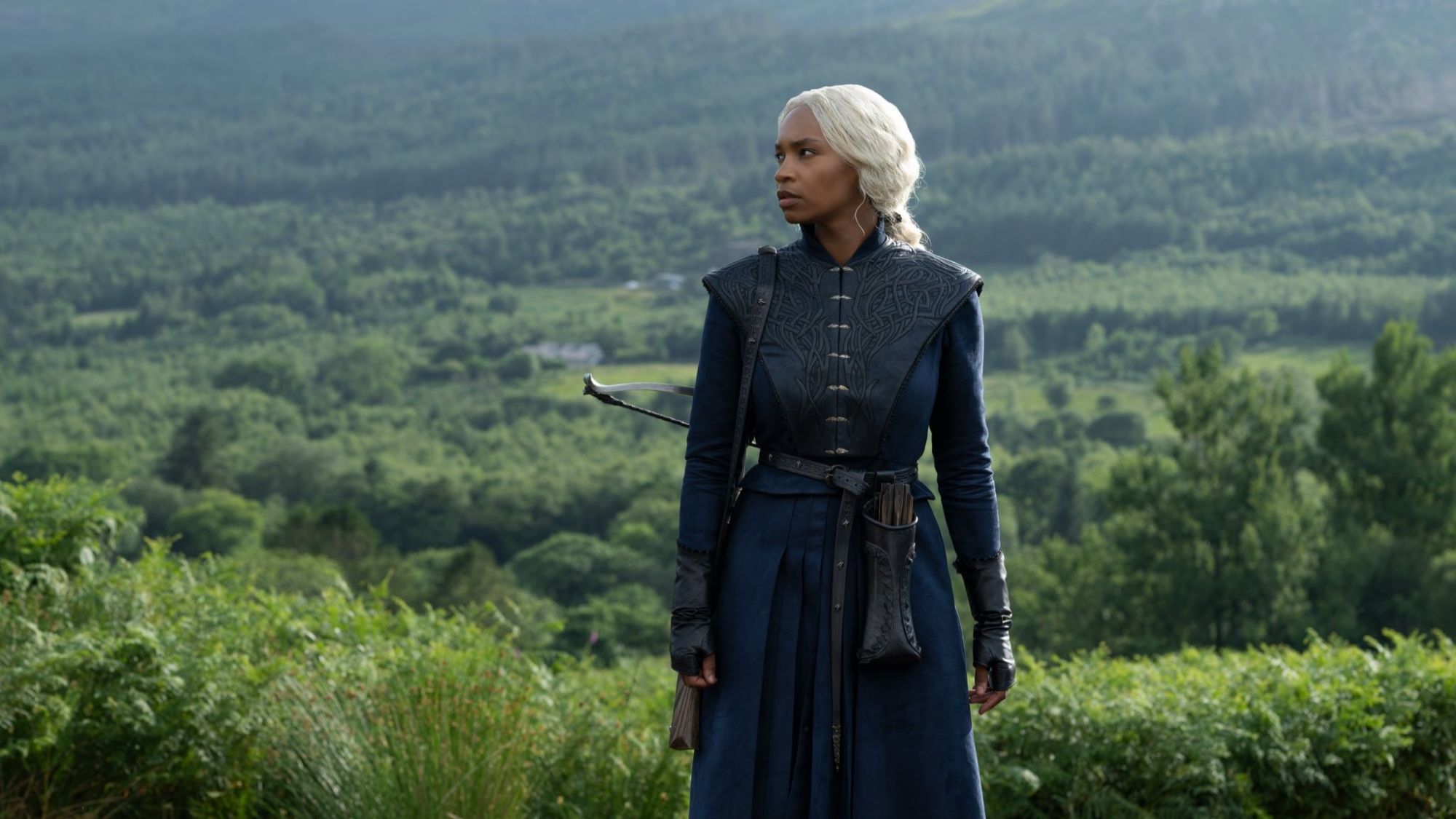
The epic fantasy saga of House of the Dragon is reaching a pivotal moment this weekend as Season 3 officially concludes, leaving devoted fans with plenty of material to debate and discuss during what promises to be an extended hiatus. The highly anticipated final season is not expected to premiere until at least 2028, creating a substantial gap that will test the patience of the show’s massive global audience. Despite the long wait ahead, the prequel series set in the Game of Thrones universe has demonstrated remarkable staying power and cultural relevance throughout its third season run.
The premiere episode of Season 3 achieved extraordinary viewership numbers, attracting 21.5 million viewers within just three days of its release. This impressive figure establishes House of the Dragon as one of the most successful streaming and television premieres of 2026, cementing HBO’s continued dominance in the premium fantasy television landscape. The numbers rival some of the peak viewership that the original Game of Thrones achieved during its later seasons, suggesting that audience appetite for Westerosi content remains remarkably strong nearly a decade after the parent series concluded.
Controversial Creative Decisions Spark Fan Debate
Season 3 has not been without its share of controversy, as showrunners have introduced several significant changes to George R.R. Martin’s source material, the fictional history book Fire and Blood. These adaptational choices have divided the fanbase, with some viewers praising the creative liberties as necessary improvements for television storytelling, while others have expressed frustration at departures from the established canon. The debate echoes similar discussions that surrounded Game of Thrones, particularly in its later seasons when the show moved beyond the published novels. Martin himself has occasionally commented on adaptational changes, though he maintains an advisory role rather than direct creative control over the television production.
The practice of adapting historical fantasy texts for screen has always required balancing fidelity to source material with the practical demands of visual storytelling. Fire and Blood presents unique challenges as it is written in the style of an in-universe historical account rather than a traditional novel with detailed character perspectives and dialogue. This format gives showrunners Ryan Condal and his team considerable latitude in developing scenes and conversations, but also opens them to criticism when their interpretations differ from fan expectations.
The Dance of the Dragons Continues to Captivate Audiences
House of the Dragon chronicles the Targaryen civil war known as the Dance of the Dragons, a conflict that occurred approximately 170 years before the events of Game of Thrones. The war pits House Targaryen against itself, with rival factions supporting either Rhaenyra Targaryen or Aegon II Targaryen in their claims to the Iron Throne. The conflict is notable in Westerosi history for the near-extinction of dragons, as the magnificent creatures were used extensively in battle and suffered catastrophic losses. Season 3’s inclusion of the Moondancer expansion refers to significant dragon-related developments that book readers have long anticipated seeing brought to life on screen.
The production quality and visual effects work on House of the Dragon have consistently impressed critics and audiences alike, with the dragon sequences representing some of the most ambitious and technically sophisticated work in television history. Each season has reportedly increased its budget to accommodate the escalating scope of the Targaryen civil war, with battle sequences and dragon combat requiring months of post-production visual effects work. The series employs cutting-edge technology including advanced motion capture and AI-assisted rendering to create believable dragon performances that convey distinct personalities for each creature.
Looking Ahead to the Final Season
With the 2028 target for Season 4, fans face approximately two years of speculation and anticipation. This extended production timeline reflects both the ambitious scope of the final season and the complex logistics involved in producing a series of this magnitude. HBO has indicated that the concluding season will feature some of the most dramatic and consequential moments from Fire and Blood, promising a spectacular finish to this chapter of Westerosi storytelling. The network continues to develop additional projects set in the Game of Thrones universe, suggesting that while House of the Dragon may be ending, the franchise itself will persist in new forms.
Expert Opinion: The remarkable viewership numbers for House of the Dragon Season 3 demonstrate that prestige fantasy television remains a viable and lucrative genre despite increasing streaming competition. HBO’s strategy of allowing extended production timelines to ensure quality over quantity appears to be paying dividends, as audiences have shown willingness to wait for polished content rather than demanding rushed releases. The 2028 finale will likely serve as a cultural event comparable to the Game of Thrones conclusion, though the network will need to maintain engagement through supplementary content and spin-off announcements during the hiatus.