


The Resident Evil franchise stands as one of the most influential and groundbreaking forces in the survival horror genre, consistently finding innovative ways to deliver a creative blend of action and terror across multiple console generations. Since its inception in 1996, the series has sold over 150 million copies worldwide, cementing its place as Capcom’s flagship franchise and a cultural phenomenon that has shaped how developers approach horror gaming. While some entries have aged better than others, several titles in the extensive catalog remain absolute masterpieces that continue to captivate players decades after their original release.
The Evolution of Survival Horror Excellence
What sets the Resident Evil franchise apart from countless imitators is its remarkable ability to reinvent itself while maintaining the core elements that made it successful. The original 1996 game, directed by Shinji Mikami, essentially created the survival horror template that countless games would follow. The claustrophobic environments, limited ammunition, puzzle-solving mechanics, and genuine sense of dread became hallmarks not just of Resident Evil, but of an entire genre. The series introduced players to the iconic Spencer Mansion, establishing the foundation for intricate level design that rewarded exploration while punishing carelessness.
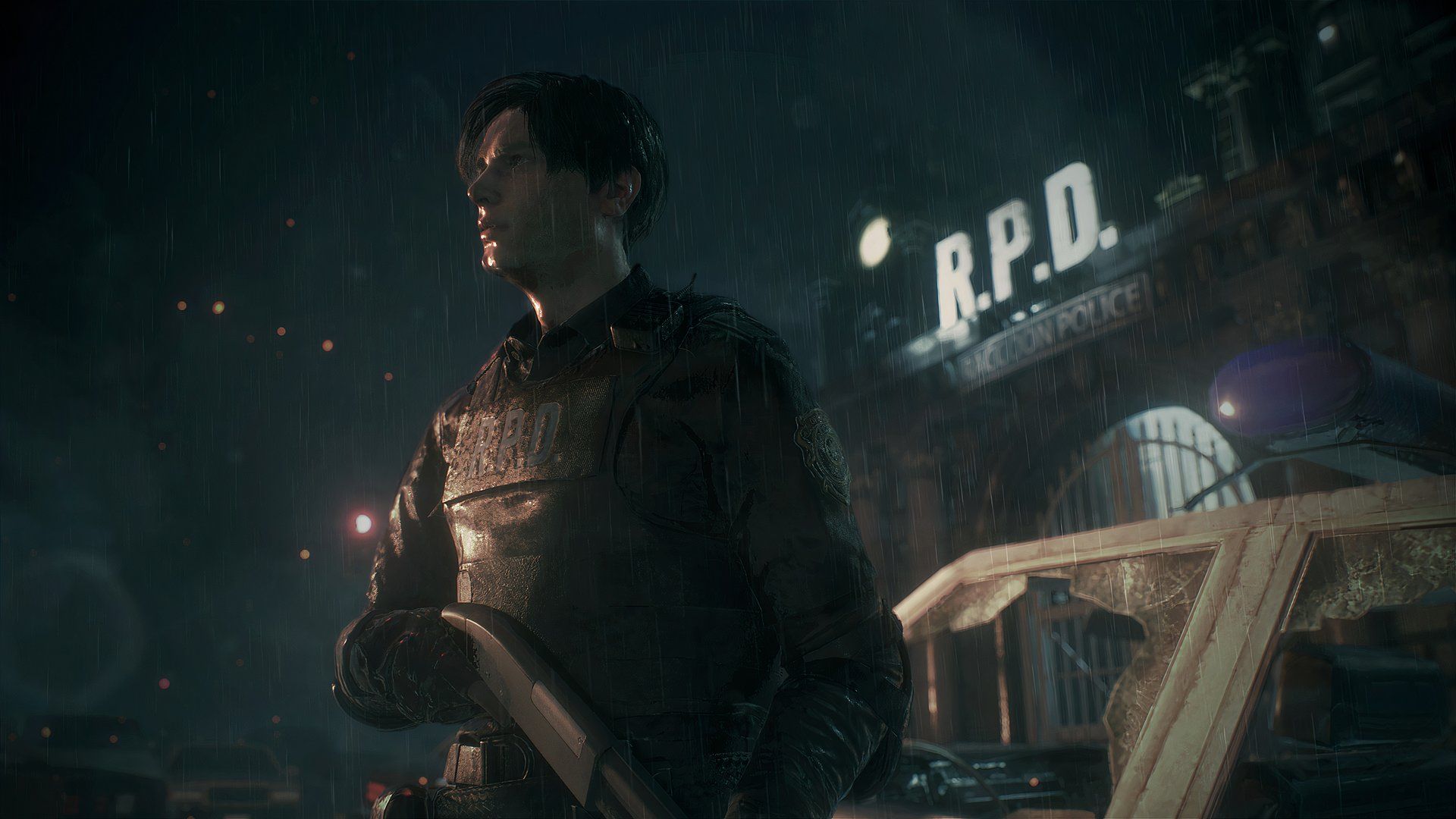
Resident Evil 2, released in 1998, expanded upon everything that made the original great. Set in the zombie-infested streets of Raccoon City, the game introduced beloved characters Leon S. Kennedy and Claire Redfield while delivering a more cinematic experience. The innovative “zapping” system, which allowed players to experience the story from two perspectives with their choices affecting each other’s campaigns, was revolutionary for its time. Many fans and critics consider the original RE2 and its spectacular 2019 remake among the finest horror games ever created, with the remake in particular demonstrating how to modernize a classic without losing its soul.
Redefining the Genre with Bold Innovation
Perhaps no entry in the series proved as transformative as Resident Evil 4, released in 2005 for the Nintendo GameCube. Shinji Mikami’s masterwork completely reimagined the franchise, introducing the over-the-shoulder camera perspective that would become industry standard for third-person action games. Set in a remote European village, the game traded zombies for the parasitic Las Plagas threat while maintaining an oppressive atmosphere of dread. The precision gunplay, dynamic enemy AI, and masterful pacing created an experience that influenced countless titles, from Gears of War to Dead Space. Its 2023 remake further polished this gem, bringing modern visuals and refined gameplay to a new generation while preserving the original’s magic.
Resident Evil 7: Biohazard marked another pivotal reinvention in 2017, shifting to a first-person perspective and returning to the series’ horror roots after some entries had leaned too heavily into action. The Baker family plantation setting evoked classic horror films like The Texas Chain Saw Massacre, while the intimate, terrifying encounters reminded players why they fell in love with survival horror in the first place. The game’s success in VR demonstrated Capcom’s willingness to embrace new technology, creating one of the most immersive horror experiences available on any platform.
Legacy and Continued Excellence
The franchise’s continued success speaks to Capcom’s understanding of what makes horror gaming compelling. Resident Evil Village, released in 2021, successfully blended the first-person horror of RE7 with more action-oriented setpieces, proving the series could still surprise longtime fans. The recent remakes of RE2, RE3, and RE4 have introduced classic experiences to new audiences while satisfying nostalgic veterans, demonstrating that these stories and gameplay mechanics remain timeless when properly executed. With rumors of additional remakes and new entries in development, the Resident Evil franchise shows no signs of slowing down, continuing to set the standard for what survival horror can achieve when creativity meets technical excellence.
Expert Opinion: The Resident Evil franchise’s longevity stems from Capcom’s willingness to take calculated risks while respecting the series’ horror foundations. With the RE Engine powering increasingly photorealistic and atmospheric experiences, combined with the success of recent remakes, the franchise is positioned to remain the gold standard in survival horror for at least another decade. Future entries will likely continue balancing innovation with nostalgia, potentially exploring VR technology more deeply as hardware becomes mainstream.