


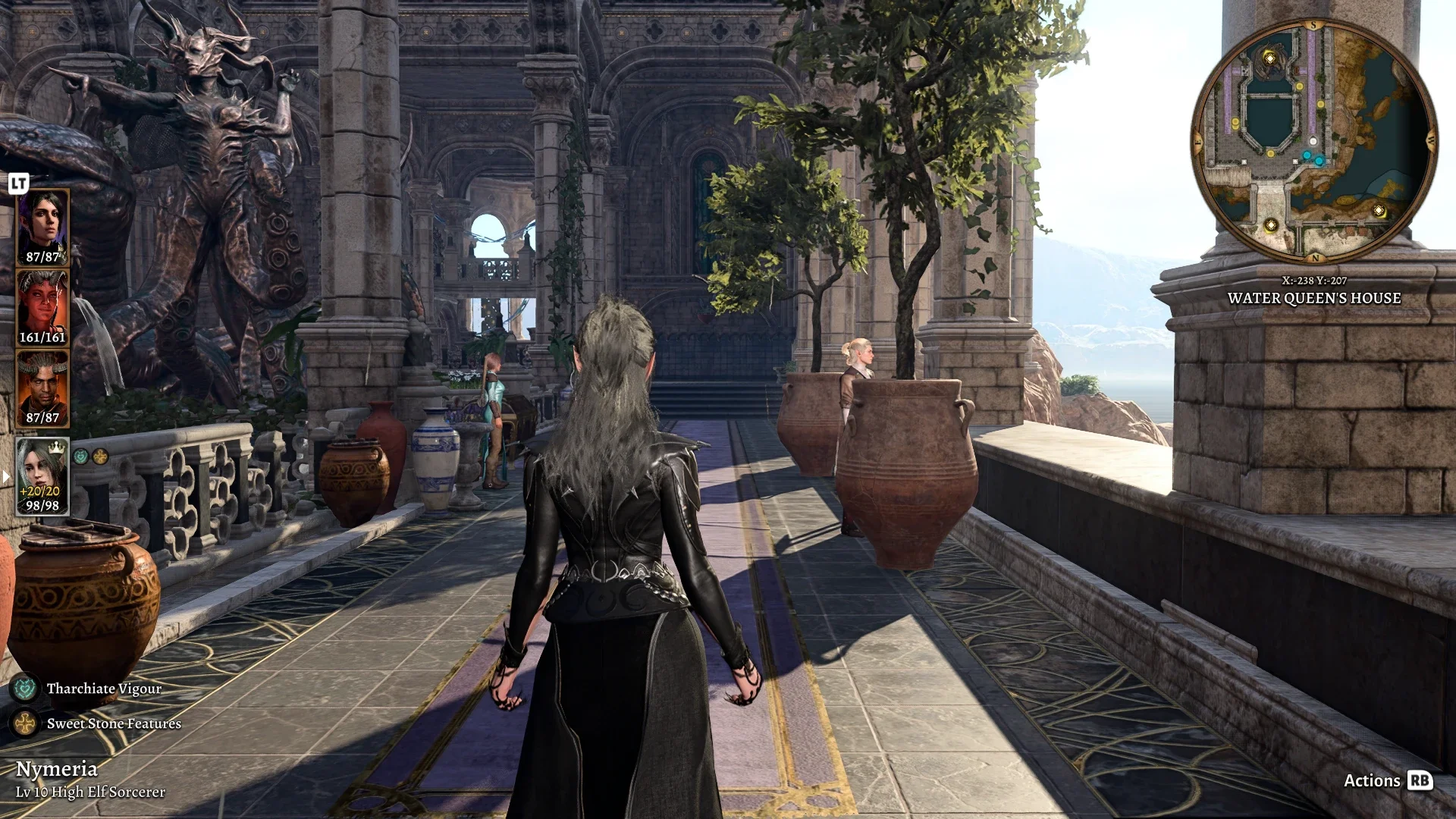
Nearly three years after its groundbreaking release, Baldur’s Gate 3 continues to captivate the gaming community and spark passionate discussions about game design philosophy. The latest controversy centers on a viral mod that fundamentally transforms how players experience Larian Studios’ award-winning role-playing game, raising profound questions about artistic vision, player choice, and what defines a genre. The mod, created by modder Relysia and titled “True Third-Person Camera,” was released on Nexus Mods in late July 2025 and has since exploded across social media, garnering millions of views and igniting fierce debate among gaming enthusiasts worldwide.
Key Points
- Relysia’s True Third-Person Camera mod hit Nexus Mods in late July 2025 and racked up nearly four million views on X/Twitter within days
- The mod adds over-the-shoulder perspective with dynamic FOV, crouch transitions, and automatic switching back to isometric for spell targeting and jumping
- Critics argue the isometric view isn’t cosmetic—it shapes level design, combat balance, UI, and animation systems
- Accessibility advocates counter that optional camera modes could bring new players to the genre without altering the default experience
- Larian has confirmed no further major patches for BG3 and says its next Divinity project will use a similar isometric system
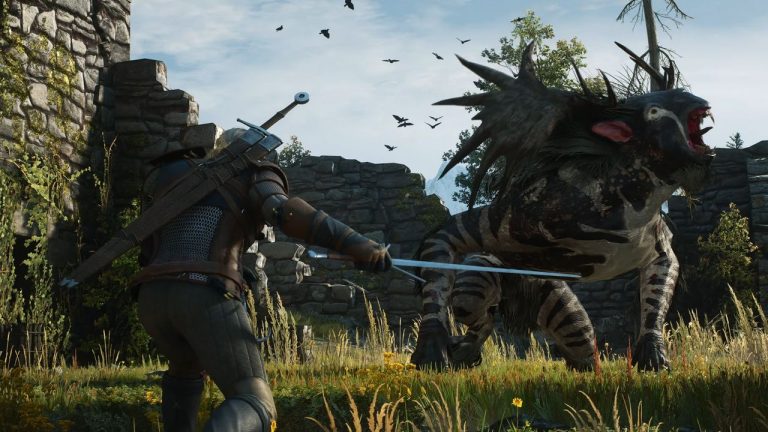
The True Third-Person Camera mod introduces a modern, over-the-shoulder perspective that keeps the camera closely attached to the player’s character, similar to contemporary action RPGs like The Witcher 3 or Dragon Age: Inquisition. The modification features dynamic field-of-view adjustments when running, smooth crouch transitions, and intelligent camera switching that temporarily reverts to the standard view during gameplay actions such as spell targeting, jumping, or inspecting objects before automatically returning to the third-person perspective. This represents a dramatic departure from Baldur’s Gate 3’s default isometric, top-down camera view that has been a hallmark of computer role-playing games since the genre’s inception in the 1990s.
Millions Watch as Community Splits Over Camera Overhaul
The mod gained widespread attention after the X/Twitter account Brator News published a video showcasing the new camera perspective, which has accumulated nearly four million views. The footage immediately polarized the community, with traditionalists expressing alarm at what they perceive as a fundamental misunderstanding of cRPG design principles. Critics argue that the isometric camera is not merely an aesthetic choice but a foundational element that influences level design, combat mechanics, animation systems, and user interface decisions. “Not every game needs to be playable from every camera angle,” argued one prominent voice in the debate. “The camera is the foundation of game design. Changing a game’s perspective requires reevaluating dozens of systems.”
The backlash reflects deeper anxieties within the cRPG community about the genre’s survival in an increasingly action-oriented gaming landscape. Some fans worry that requests for third-person cameras and WASD movement controls represent a gradual erosion of what makes classic role-playing games distinctive. “You don’t get to say you love a unique and underrepresented genre when it’s actively being replaced by action RPG slop,” one critic wrote, expressing frustration at what they perceive as pressure to homogenize gaming experiences. This sentiment echoes similar debates that have surrounded other games, including CD Projekt Red’s Cyberpunk 2077, which faced criticism for its first-person perspective despite the design choice being integral to the game’s immersive storytelling approach.
Accessibility vs. Tradition: The Core Argument
Supporters of the mod present a compelling counter-argument centered on player choice and accessibility. They point to the longstanding popularity of mods like WASD movement and Native Camera Tweaks as evidence of genuine demand for alternative control schemes. Proponents argue that these modifications have successfully attracted players who might otherwise never engage with the cRPG genre, effectively expanding rather than diminishing the audience for these games. “Making these features optional, disabled by default but available for anyone who wants them, doesn’t seem like an unreasonable request,” one supporter wrote in a direct appeal to Larian Studios. “It would let players enjoy the game the way they prefer without changing the experience for those who like the classic controls.”
The accessibility argument carries particular weight in modern gaming discussions. Many players with certain physical limitations or preferences find isometric cameras and click-to-move controls challenging or less enjoyable. The gaming industry has made significant strides in recent years toward inclusive design, with major titles offering extensive customization options to accommodate diverse player needs. From this perspective, offering alternative camera and movement options aligns with broader industry trends toward player empowerment. As one advocate eloquently stated, “Camera controls don’t define a game’s genre—its mechanics, systems, and design philosophy do. Baldur’s Gate 3 would still be a turn-based cRPG built on D&D rules, regardless of whether I move with WASD or click the ground.”
From Baldur's Gate to Dragon Age: A Genre's Visual Evolution
The debate touches on the rich history of role-playing game design and the evolution of the genre across multiple decades. The isometric perspective became synonymous with cRPGs through landmark titles like the original Baldur’s Gate series, Planescape: Torment, and Fallout, establishing visual and mechanical conventions that defined the genre throughout the late 1990s and early 2000s. However, the genre has always demonstrated flexibility, with games like BioWare’s Dragon Age: Origins successfully blending isometric tactical views with closer third-person exploration. Interestingly, many commentators have noted that the True Third-Person Camera mod makes Baldur’s Gate 3 visually reminiscent of Dragon Age: Origins, a game that remains beloved by RPG enthusiasts and represents a bridge between classic and modern design philosophies.
The mention of Dragon Age: Origins in these discussions has sparked renewed interest in BioWare’s 2009 masterpiece, with many fans expressing hope for a potential remake. The subsequent Dragon Age titles progressively moved away from the original’s tactical depth and old-school RPG sensibilities, culminating in the critically divisive Dragon Age: The Veilguard, which many fans feel has effectively ended the franchise’s creative momentum. This trajectory serves as a cautionary tale for those on both sides of the Baldur’s Gate 3 camera debate, illustrating how genre evolution can both expand audiences and alienate core fans.
Larian Confirms No Official Support, Stays Isometric
Despite the passionate advocacy from mod supporters, Larian Studios has made its position clear regarding both Baldur’s Gate 3 and its upcoming projects. The developer announced that no further major patches will be released for Baldur’s Gate 3, meaning an official third-person camera option will never be implemented. Furthermore, during a recent Ask Me Anything session about the studio’s next project in the Divinity franchise, Larian confirmed that the camera system will work “very similar” to Baldur’s Gate 3’s traditional isometric approach. This commitment to classic cRPG presentation suggests that the studio views the camera perspective as integral to its design philosophy rather than a customizable feature.
For players who prefer the third-person experience, the modding community remains the only avenue for such modifications. Given the dedicated and talented modding scene that has grown around Larian’s games, it seems inevitable that similar camera mods will eventually emerge for Divinity and any future titles from the studio. This organic ecosystem allows players to customize their experiences while the developers maintain their artistic vision—a compromise that, while imperfect, has long characterized the relationship between PC gaming communities and the creators they support. The viral success of Relysia’s mod demonstrates both the appetite for alternative play styles and the enduring appeal of Baldur’s Gate 3 as a platform for creative modification and community engagement.
What This Means for CRPG Players
This controversy crystallizes a tension that has simmered since Dragon Age: Inquisition shifted BioWare’s flagship toward action-RPG conventions. For studios like Larian, the isometric camera isn’t retro nostalgia—it’s a design commitment that dictates encounter spacing, pathfinding logic, and how much environmental storytelling fits in frame. Swapping perspective mid-development would cascade through dozens of systems, which is why official support is off the table.
For players, the mod is a proof-of-concept that optional toggles can coexist with traditional design, at least superficially. Whether that coexistence degrades intended difficulty curves or exploration pacing is still being debated. The accessibility angle is harder to dismiss; click-to-move controls genuinely exclude some users, and the industry’s broader push for customization gives those requests weight.
The real stakes lie in what comes next. Larian’s confirmation that Divinity 4 will stay isometric signals the studio won’t chase mainstream camera trends. Meanwhile, BioWare’s trajectory—from Origins’ hybrid view to Veilguard’s divisive action focus—offers a counter-example of what happens when a studio drifts too far from its audience. Both paths carry risk, and the BG3 mod scene will likely keep pressure on developers to find middle ground.
Common Questions
Does the True Third-Person Camera mod work with spell targeting and jumping?
Yes. The mod automatically reverts to the standard isometric view when you cast spells, jump, or inspect objects, then switches back to third-person once the action completes.
Will Larian add an official third-person mode to Baldur's Gate 3?
No. Larian has stated that no further major patches are planned for BG3, so an official alternative camera will not be implemented.
Does changing the camera turn Baldur's Gate 3 into an action RPG?
Not mechanically. The game’s turn-based combat, D&D 5e ruleset, and dialogue systems remain unchanged; only the visual perspective shifts during exploration.
Expert Opinion: This controversy ultimately reflects a healthy tension in game design between authorial intent and player agency. While Larian’s commitment to traditional cRPG presentation preserves genre integrity, the modding community’s innovations demonstrate that expanded options can coexist with core design philosophy. The real lesson here may be that the most successful games of the future will need to balance strong creative vision with thoughtful accessibility features—not as an afterthought, but as part of the original design process.