

Game of Thrones fans find themselves navigating uncharted territory following the recent House of the Dragon finale, which introduced a significant new dimension to one of the franchise’s most enduring mysteries. The series finale featured a pivotal moment when Rhaenyra Targaryen delivered a compelling speech in High Valyrian, directly addressing The Song of Ice and Fire prophecy that has captivated audiences since the original series began. This prophetic revelation has sent ripples through the fandom, offering fresh perspectives on events that span centuries of Westerosi history and connect the prequel series directly to the events of Game of Thrones.
The prophecy in question has long foretold the coming of the Prince That Was Promised, a legendary savior expected to emerge from the bloodline of Aerys and Rhaella Targaryen. This messianic figure is prophesied to play a crucial role in defeating the Night King’s army and the existential threat posed by the White Walkers. The revelation in House of the Dragon adds substantial weight to the Targaryen dynasty’s obsessive protection of their bloodline, suggesting that their often controversial practices were driven by a deeper understanding of the apocalyptic threat lurking beyond the Wall.
The Origins and Significance of the Prophecy
The Song of Ice and Fire prophecy traces its origins back thousands of years in Westerosi lore, predating even the Targaryen conquest of the Seven Kingdoms. According to ancient texts and oral traditions preserved by maesters and red priests alike, the prophecy speaks of a hero born amidst salt and smoke who would wield a flaming sword called Lightbringer. This savior would stand against the darkness when the Long Night returned to threaten all living beings in Westeros. The Targaryens, with their dragon-riding abilities and ancient Valyrian bloodline, came to believe they were the chosen family from which this prince would emerge.
King Aegon the Conqueror himself reportedly received visions of this prophecy, which some scholars believe motivated his unprecedented unification of the Seven Kingdoms. The revelation that this knowledge was passed down through generations of Targaryen rulers adds new context to many historical decisions that previously seemed driven purely by ambition or madness. Rhaenyra’s invocation of this prophecy in the finale demonstrates that the burden of this foreknowledge weighed heavily on Targaryen monarchs, influencing everything from marriage alliances to succession disputes.
Connecting House of the Dragon to the Original Series
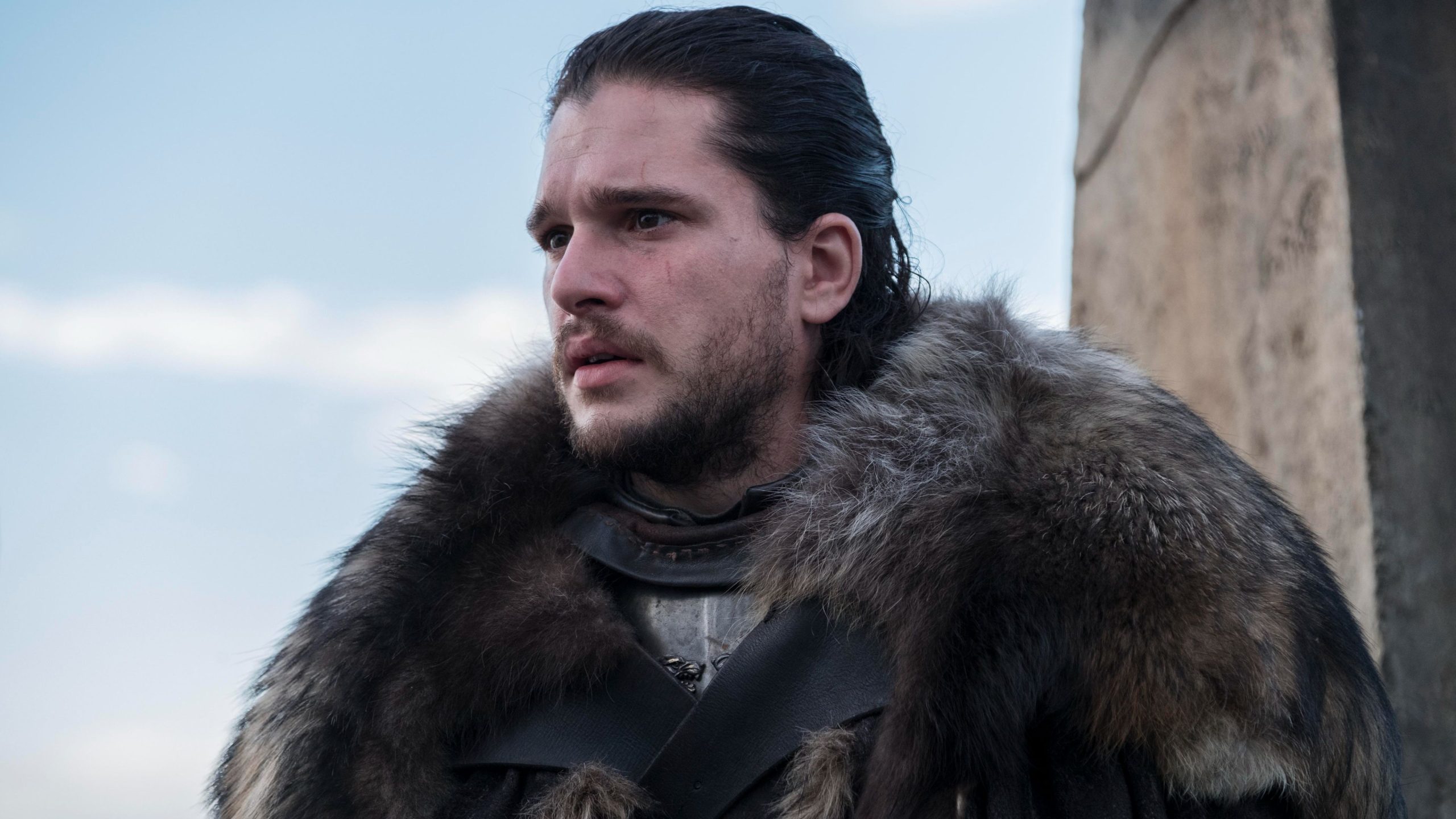
The explicit confirmation of the prophecy’s importance creates a direct narrative bridge between House of the Dragon and the events of Game of Thrones, which takes place approximately 170 years later. Fans will recall that the original series explored this prophecy primarily through the perspectives of Melisandre, the red priestess who initially believed Stannis Baratheon was the promised prince, and later through revelations about Jon Snow’s true parentage as Aegon Targaryen. The prequel’s treatment of this material suggests that showrunners are deliberately weaving a more cohesive mythology across both series.
The gender-neutral nature of High Valyrian, where the word for prince can equally apply to a princess, has always been a crucial element of this prophecy. Maester Aemon famously noted this linguistic detail in Game of Thrones, suggesting that Daenerys Targaryen could fulfill the prophecy just as easily as any male heir. House of the Dragon’s exploration of this theme through Rhaenyra, a queen fighting for her right to rule in a patriarchal society, adds additional layers of meaning to the prophecy’s ultimate fulfillment. The series appears to be setting up the idea that the fight against the White Walkers was always the true purpose of Targaryen rule, making the Dance of the Dragons and subsequent civil wars even more tragically ironic.
What This Means for Future Seasons and Spinoffs
The revelation has sparked intense speculation about how future seasons of House of the Dragon and potential spinoff series might continue exploring this prophetic thread. HBO has invested heavily in expanding the Game of Thrones universe, with multiple projects in various stages of development. The explicit confirmation of the prophecy’s centrality to Targaryen identity suggests that future content will continue building toward the climactic battle against the Night King, even if that conflict occurs centuries after the events depicted in the prequel series. Fans can expect more callbacks and foreshadowing as the franchise continues to expand its interconnected storytelling approach.
Expert Opinion: This prophetic revelation represents a masterful narrative strategy by the showrunners, retroactively enriching both the original Game of Thrones and House of the Dragon by establishing a unified mythological framework. The decision to explicitly connect Rhaenyra’s struggle to the eventual defeat of the White Walkers transforms the Dance of the Dragons from a mere succession conflict into a tragedy with apocalyptic stakes, as every Targaryen death potentially endangered humanity’s only hope against the Long Night.