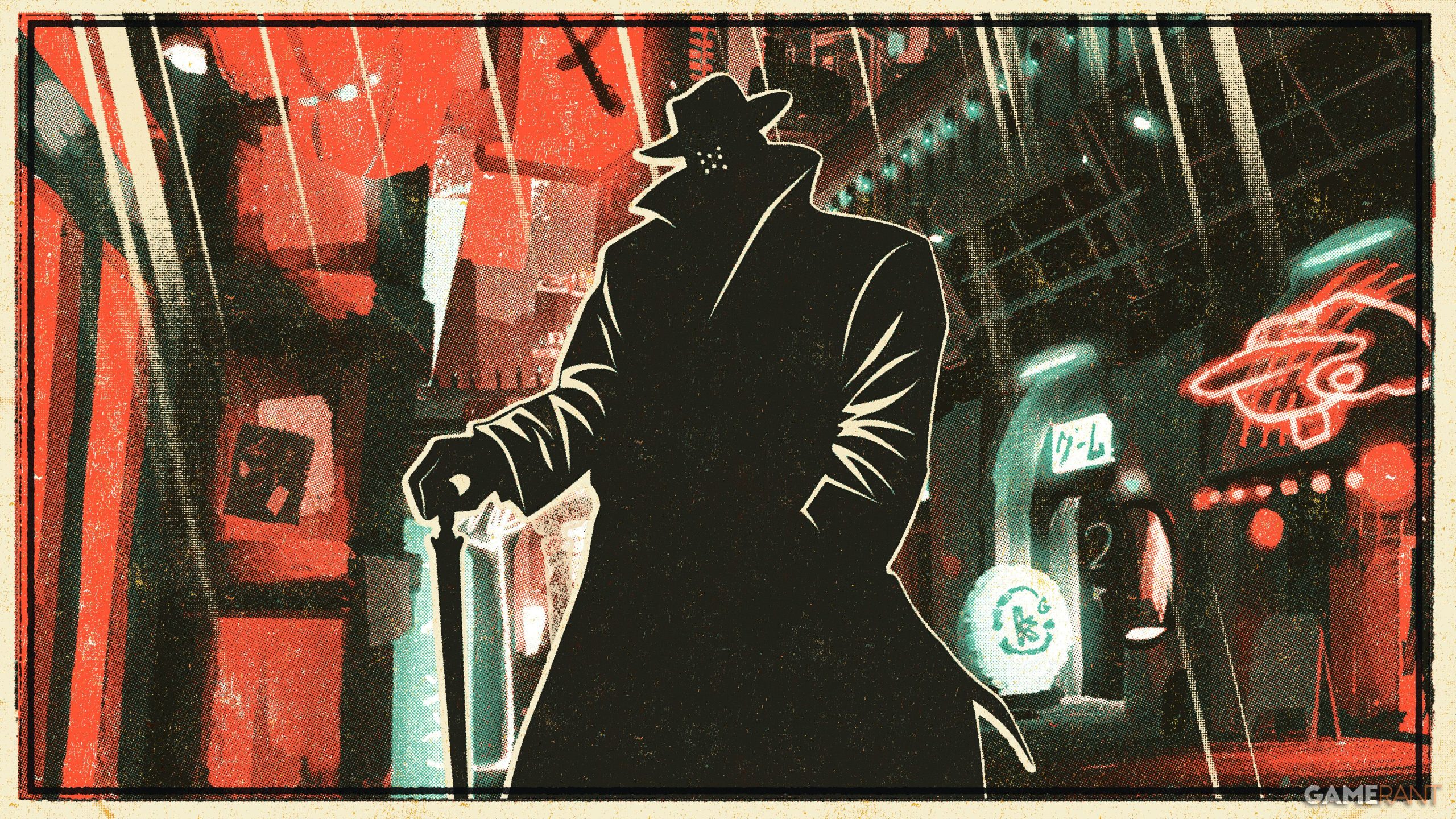
Blizzard Entertainment has found itself in the midst of another community controversy as Overwatch players express widespread disappointment over apparent design changes to an upcoming hero known informally as the “Omnic detective.” While the competitive hero shooter has enjoyed considerable success with its recent character releases following the transition to Overwatch 2, fans are now questioning whether the development team’s latest creative decisions represent a step backward for the franchise’s celebrated visual design philosophy.
The concerns emerged after eagle-eyed community members noticed significant alterations to concept art and promotional materials featuring two unreleased heroes. The Omnic detective character, which had previously generated substantial excitement among the player base, appears to have undergone notable visual modifications that many feel diminish the character’s original appeal. Social media platforms and Overwatch forums have been flooded with posts comparing the earlier designs to the updated versions, with the overwhelming consensus being that the changes represent a downgrade in quality and creativity.
A History of Iconic Character Design
Overwatch has built its reputation partly on the strength of its character roster, which features some of the most visually distinctive and culturally diverse heroes in competitive gaming. Since the original game’s launch in 2016, Blizzard’s design team has introduced characters ranging from the sleek cyborg ninja Genji to the hamster-piloted mech of Wrecking Ball, each bringing unique visual identities that have resonated strongly with players worldwide. The franchise’s commitment to representation and creative character concepts has been a cornerstone of its global appeal, making any perceived regression in design quality particularly concerning for dedicated fans.
The Omnic race within Overwatch lore represents sentient robots who achieved consciousness following a global crisis known as the Omnic Crisis. Characters like Zenyatta, Orisa, and Ramattra have explored different facets of Omnic existence, from spiritual enlightenment to liberation movements. The prospect of an Omnic detective character excited fans who anticipated another unique perspective on this fictional race, potentially exploring themes of justice, identity, and coexistence in a world still grappling with human-machine relations. The apparent design changes have left many wondering if this narrative potential is being squandered.
Community Backlash and Developer Silence
The player response has been swift and largely negative, with prominent content creators and community figures weighing in on what they perceive as an unnecessary alteration to a promising character concept. Reddit threads discussing the changes have accumulated thousands of upvotes and comments, with users expressing frustration that Blizzard appears to be moving away from the bold, distinctive designs that initially defined the franchise. Some players have speculated that the changes might be driven by technical constraints, marketing considerations, or attempts to streamline production costs, though Blizzard has not officially commented on the modifications.
This situation reflects a broader tension in live-service game development, where studios must balance creative vision with player expectations and business realities. Overwatch 2’s transition to a free-to-play model has brought increased scrutiny of monetization practices and content quality, with players becoming increasingly vocal about perceived declines in value. The character design controversy arrives at a particularly sensitive time, as Blizzard works to rebuild trust following various corporate challenges and seeks to maintain momentum after a rocky initial launch period for the sequel.
What This Means for Overwatch’s Future
Industry analysts note that character design controversies, while common in gaming, can have lasting impacts on community sentiment and player retention. The Overwatch franchise has previously navigated similar situations, occasionally reverting changes or incorporating fan feedback into final releases. Whether Blizzard will acknowledge the current concerns or proceed with the modified designs remains to be seen, but the intensity of the backlash suggests this issue will not fade quietly. For a game that has always prided itself on its roster’s visual appeal and diversity, the stakes of getting character design right remain exceptionally high.
Expert Opinion: The community’s strong reaction to these design changes highlights a critical challenge facing live-service games: maintaining artistic consistency while evolving content over many years. Blizzard would be wise to engage transparently with player feedback before finalizing these heroes, as the goodwill cost of ignoring passionate community input often exceeds any development savings from streamlined designs. This controversy may ultimately serve as a valuable course-correction opportunity if handled properly.