


The video game industry is witnessing a dramatic shift in how developers and publishers approach artificial intelligence, with anti-AI clauses becoming virtually universal in contract negotiations. Haley MacLean, a corporate intellectual property lawyer and head of video game practice at Voyer Law, reports that nearly all of her clients now explicitly prohibit the use of generative AI in their agreements. This transformation reflects growing concerns about both consumer backlash and the complex legal minefield that AI-generated content creates for game creators.
Speaking with gaming media, MacLean detailed how the landscape has evolved over recent years. While anti-AI provisions appeared sporadically two to three years ago, the past twelve months have seen these clauses transform from optional safeguards to essential boilerplate language. What began as a precaution among risk-averse publishers has cascaded down through the industry hierarchy, with even smaller, simpler publishing studios now routinely including AI prohibition clauses simply to protect themselves from potential legal exposure.
The Anatomy of Anti-AI Contract Language
MacLean, who regularly handles publishing agreements for indie to AA-level studios, shared an anonymized example of typical anti-AI contract language. These clauses generally prohibit developers from using generative AI technologies in creating game products and from inserting game content into AI system libraries or databases without prior written consent. Violation of such provisions is typically classified as a material breach of agreement, carrying serious legal and financial consequences. The definition of prohibited AI use specifically targets actively generated assets, meaning passive encounters with AI-powered tools like search engine results would not trigger these clauses.
The lawyer’s advice to studios is unequivocal: avoid generative AI entirely. The potential legal liability, she argues, simply outweighs any perceived benefits of faster or cheaper content creation. This stance is informed by existing case law, emerging AI regulations, and the possibility that future legal precedents could create retroactive problems for studios that incorporated AI-generated content into their games. The Among Us developer Innersloth’s indie fund, Outersloth, has publicly posted their own gen AI clause, signaling how mainstream these concerns have become across the independent development community.
Consumer Backlash and Business Realities
Beyond legal considerations, MacLean observes that anti-AI sentiment among gamers creates significant business pressures. Many of her clients initiate contract discussions from this angle, expressing concern that their communities would react negatively to AI use in their games. This observation was recently echoed by John Buckley, communications lead for the popular survival game Palworld, who succinctly noted that gamers simply do not want AI-generated content in their games. The pushback appears particularly intense in Western markets, especially the United States, where ongoing battles between AI companies and state governments over environmental resources, zoning regulations, and ethical concerns have heightened public awareness of the technology’s controversies.
The gaming community’s resistance to AI reflects broader societal concerns about the technology’s impact on creative labor and intellectual property rights. Dozens of game developers have publicly stated their opposition to generative AI, citing concerns about job displacement, the devaluation of artistic skill, and the ethical implications of training AI models on artists’ work without consent. This industry-wide skepticism stands in stark contrast to the enthusiastic adoption of AI tools in some other sectors, suggesting that gaming’s uniquely engaged and vocal consumer base may be influencing business decisions more than in other industries.
Copyright Chaos and Ownership Nightmares
Perhaps the most compelling legal argument against generative AI involves the complex copyright issues it creates. MacLean explains that AI use can simultaneously expose creators to infringement liability while undermining their own ownership claims. Games incorporating AI-generated assets could face accusations of copyright violation if those assets can be traced back to material the AI scraped without permission. A recent example involves the gacha game Neverness to Everness, whose developer Hotta Studio admitted to AI use and scrambled to remove generated assets after being credibly accused of copying scenes from a popular anime film promotional video nearly shot-for-shot.
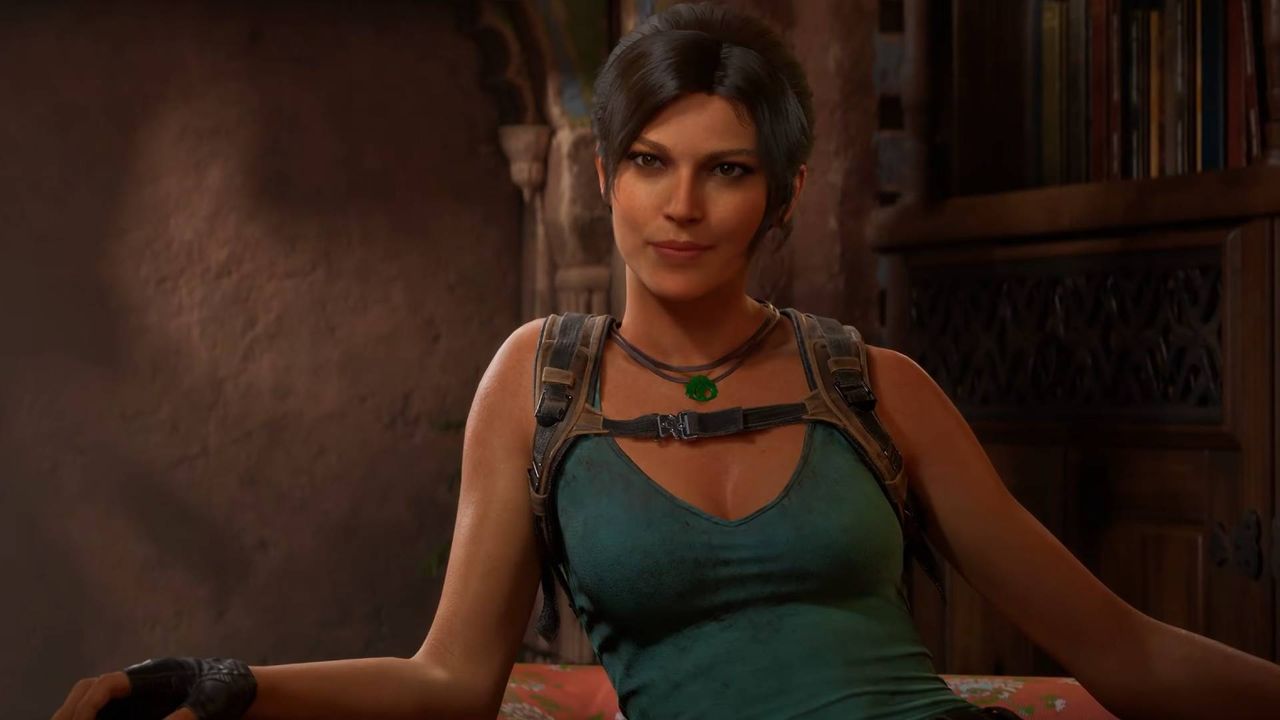
The ownership problem cuts both ways, however. MacLean poses a troubling hypothetical: if a developer generates an asset, includes it in their game, and someone else copies it, the original developer may have no legal recourse. Case law in both the United States and Canada has consistently held that AI-generated content cannot be copyrighted because it lacks human authorship. This means developers who rely on AI-generated assets may be creating content they cannot legally protect. MacLean points to the upcoming Tomb Raider: Legacy of Atlantis, which has faced criticism for apparent AI use, as a potential example of these risks. If AI-generated assets like environmental objects are not substantially transformed by human artists, she argues, anyone could legally lift those assets and use them elsewhere.
Major Studios Risk Legal Reckoning
MacLean expresses bewilderment at major corporations embracing AI tools without apparent regard for legal consequences. She cites Unreal Engine 6 tutorials that showcase AI asset generation while only vaguely suggesting users should modify generated content. This casual approach to AI-generated assets, combined with corporate pressure to reduce costs through layoffs and corner-cutting, creates conditions she believes will inevitably lead to litigation. Companies seeking both the efficiency of AI generation and the legal protections of copyright ownership may find themselves unable to have both.
In this evolving legal environment, MacLean suggests that properly vetting AI output for legal compliance would likely prove so time-consuming and expensive that traditional human-created art becomes the more practical choice. This outcome, she notes, aligns with the fundamental intent of copyright law, which specifically aims to protect and encourage human creative expression. As AI technology continues to advance and its use in creative industries expands, the tension between efficiency and legal safety shows no signs of resolution. The coming years will likely see the courts settle many of these questions, potentially establishing precedents that reshape how the entire industry approaches content creation.
Expert Opinion: The video game industry appears to be at a critical inflection point regarding AI adoption. While other sectors rush to embrace generative AI tools, gaming’s combination of engaged consumers, complex intellectual property considerations, and creative workforce concerns is creating natural resistance. Legal experts predict the first major AI copyright lawsuits in gaming will emerge within two to three years, and their outcomes will likely establish precedents affecting not just games but all digital creative industries.