

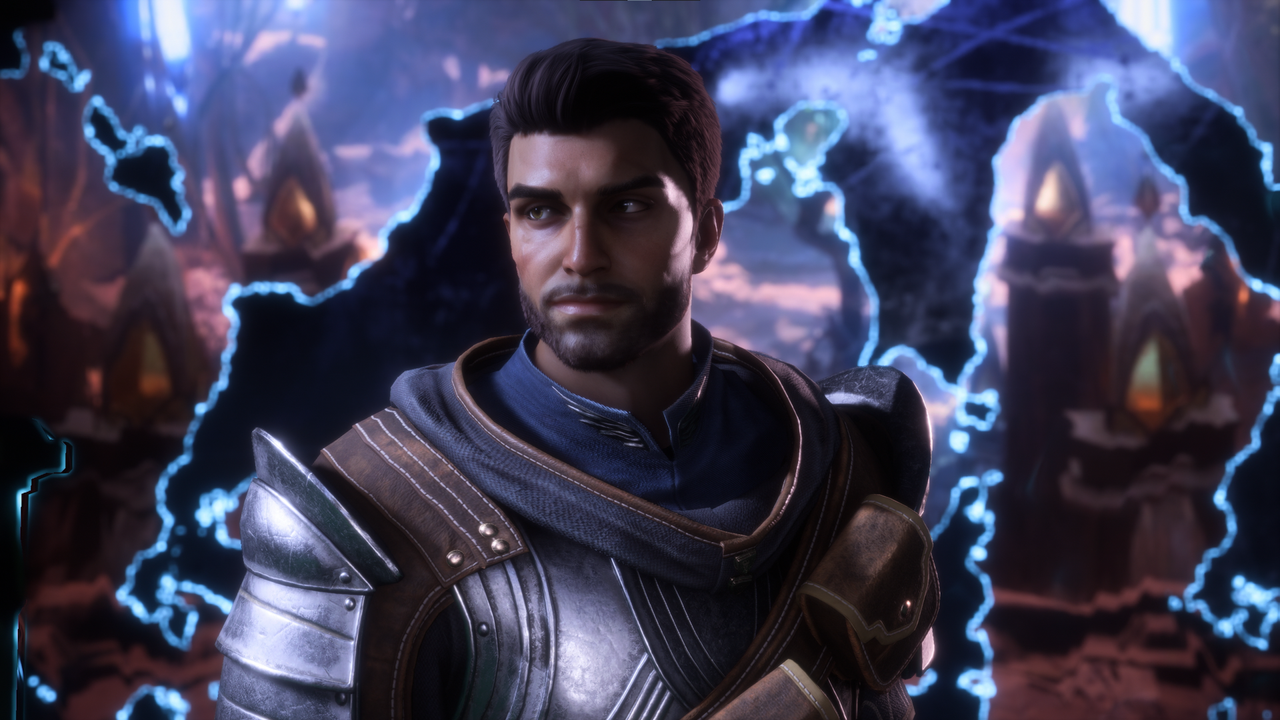
The future of BioWare’s beloved Dragon Age franchise appears increasingly uncertain, according to former series producer and longtime studio veteran Mark Darrah. In a recent interview with FRVR, Darrah painted a sobering picture of the challenges facing any potential revival of the epic fantasy RPG series, citing EA’s complicated relationship with game development and the publisher’s growing collection of shelved intellectual properties. His candid assessment comes at a particularly turbulent time for both the studio and its parent company, raising serious questions about whether fans will ever return to Thedas.
BioWare’s flagship fantasy series has experienced a remarkably rocky journey over the past decade. Dragon Age: Inquisition launched in 2014 to widespread critical acclaim and impressive commercial success, winning numerous Game of the Year awards and selling millions of copies worldwide. However, the follow-up took an astonishing ten years to materialize, with Dragon Age: The Veilguard finally releasing in 2024 after multiple internal reboots and development restarts. The extended development cycle took its toll, and the game ultimately arrived to lukewarm sales figures that fell short of expectations, leaving the franchise’s future hanging in the balance.
EA’s Troubled Relationship with Game Development
Darrah’s criticism of EA cuts to the heart of long-standing concerns within the gaming industry about the publisher’s priorities. He recalled a particularly biting observation shared with him: “Someone once described to me EA as a hedge fund with a video game hobby that it wished it didn’t spend so much money on, and I think that remains true.” This characterization reflects broader industry sentiment that EA has increasingly prioritized financial returns over creative ambition, leading to the cancellation of promising projects and the neglect of beloved franchises that don’t meet aggressive profitability targets.
The publisher’s track record supports these concerns. Over the years, EA has accumulated what Darrah describes as “a frightening number of IPs that are dormant.” Dragon Age potentially joins an unfortunate roster that includes Titanfall, the innovative multiplayer shooter from Respawn Entertainment that hasn’t seen a new entry since 2016, and Mirror’s Edge, the groundbreaking parkour action series whose sequel failed to meet sales expectations in 2016. Other casualties include Dead Space, Command & Conquer, and numerous sports franchises that have been consolidated or discontinued entirely.
Internal Challenges at BioWare
Beyond EA’s corporate dynamics, Darrah identifies significant obstacles within BioWare itself. The studio has been devastated by multiple rounds of mass layoffs in recent years, hemorrhaging talent and institutional knowledge that would be essential for developing a new Dragon Age title. “The problem is I don’t know who at BioWare would pitch a Dragon Age,” Darrah explained, highlighting the brain drain that has fundamentally altered the studio’s composition and capabilities.
The situation becomes even more complicated when considering potential alternatives. If another team within EA’s organization attempted to pitch a Dragon Age project, Darrah suggests territorial conflicts would likely emerge. He colorfully described how remaining BioWare staff might respond to such an attempt: “somebody at BioWare would essentially become one of those people jumping under the vents to rip that person apart.” This protective instinct, while understandable, creates an additional barrier to the franchise’s revival. Meanwhile, BioWare’s remaining resources are reportedly focused on the next Mass Effect game, leaving little bandwidth for concurrent development of another major RPG.
Uncertain Future Under New Ownership
Adding another layer of uncertainty is the impending proposed acquisition of EA by a consortium of investment firms led by the Saudi Arabian Public Investment Fund. This potential buyout raises fundamental questions about the future direction of EA’s entire portfolio, including its approach to single-player narrative experiences like Dragon Age. Darrah openly questioned whether new ownership would see value in BioWare at all, musing: “I could argue yes and no… do you want BioWare at all in this world?”
Despite these challenges, the Dragon Age community remains remarkably resilient. Fans continue to engage with the existing games, create extensive mods, produce fan fiction, and maintain active online communities dedicated to the rich lore of Thedas. Some observers have noted that this passionate fanbase represents a significant untapped market that could support a well-executed revival. However, whether corporate decision-makers recognize this potential—or possess the patience and resources to develop it properly—remains an open question. For now, Dragon Age appears destined to remain in EA’s growing vault of dormant franchises, a fate that seemed unimaginable when Inquisition stood triumphant just over a decade ago.
Expert Opinion: The Dragon Age situation exemplifies a broader crisis in AAA game publishing, where risk-averse corporate structures increasingly struggle to support the lengthy development cycles that ambitious RPGs require. Should the Saudi-led acquisition proceed, we may see either a complete restructuring of EA’s approach to single-player games or the final dissolution of studios like BioWare that once defined the genre. The next 18 months will likely determine whether these beloved franchises can ever be revived or if they’ll permanently join gaming history’s growing list of “what could have been.”